How Long Do Leftovers Last in the Fridge?
Most properly handled cooked leftovers keep 3–4 days at 40°F (4°C) or below. Refrigerate promptly in shallow containers and reheat to 165°F (74°C).
| Leftover | Typical refrigerated guidance | Check first |
|---|---|---|
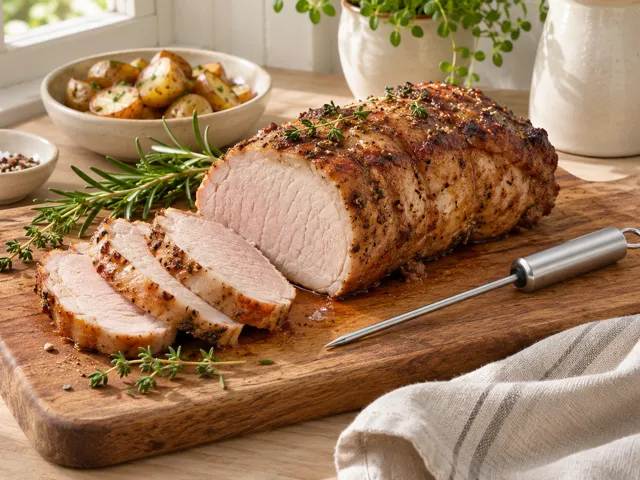
| Cooked meat or poultry | 3–4 days | Prompt chilling |
| Soups and stews | 3–4 days | Shallow portions |
| Pizza | 3–4 days | Transport and serving time |
| Hard-cooked eggs | 1 week | Different food, different guidance |
Give each container a next meal
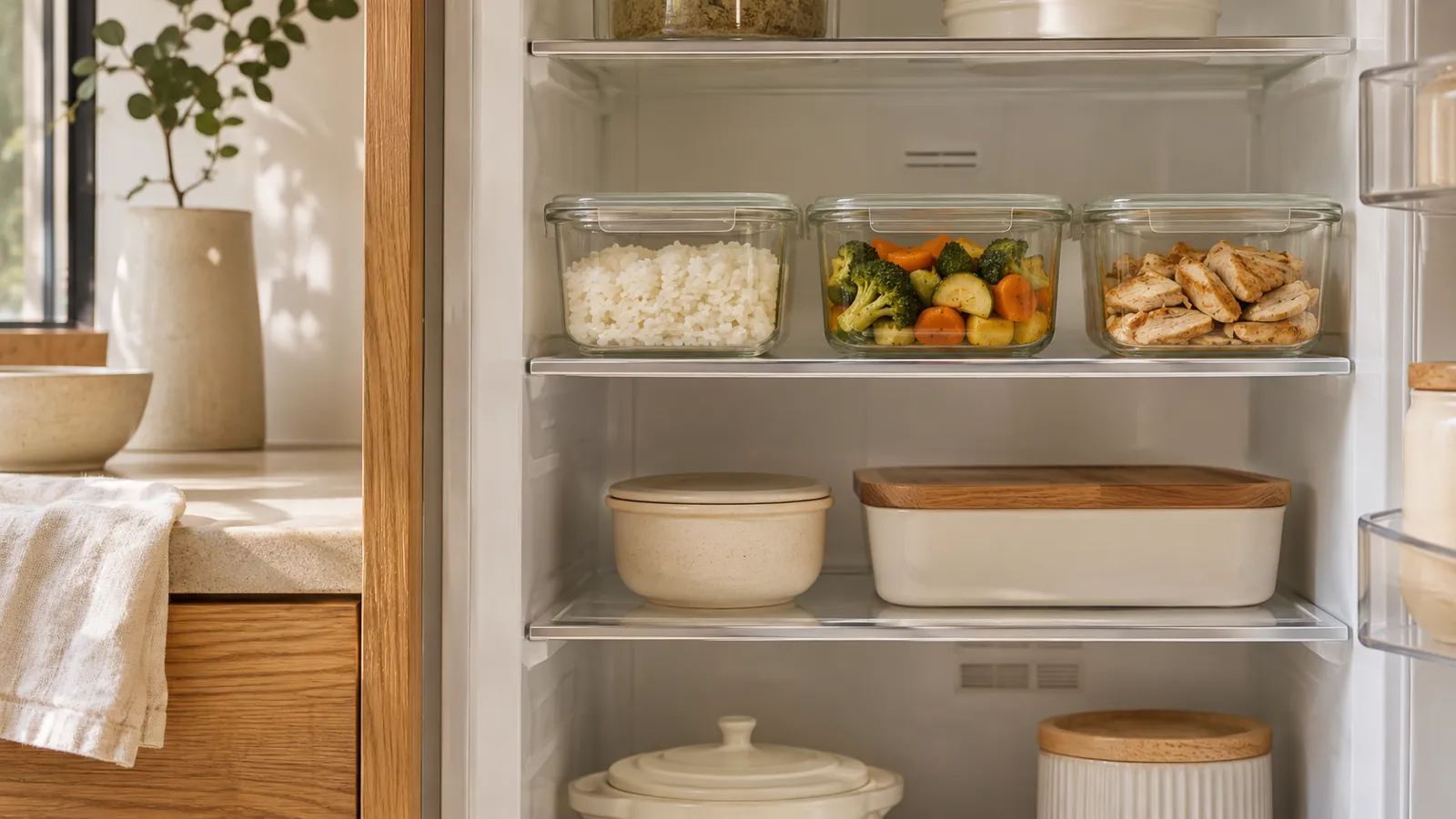
Before the lid goes on, decide which meal this container is for. I think that single question is the best companion to the chart, because food with a plan gets eaten and food without one gets forgotten. If that meal falls outside the storage window, freeze a suitable portion promptly. Label what the food is and when it was cooked, since a sealed lid and an acceptable smell can tell you neither.
Not every food shares one deadline
Three to four days is a useful general rule for cooked leftovers, and it's the number I'd start from. It still can't replace product-specific guidance: a raw ingredient, a hard-cooked egg, and a commercial refrigerated sauce may each have different instructions. Identify the food before applying the number.
Make cooling an organized task
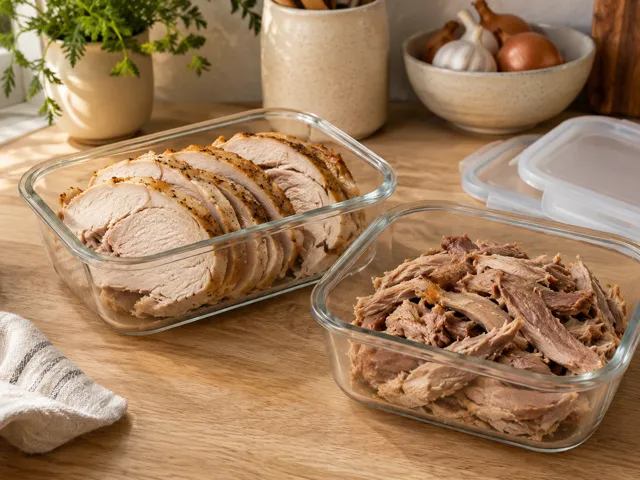
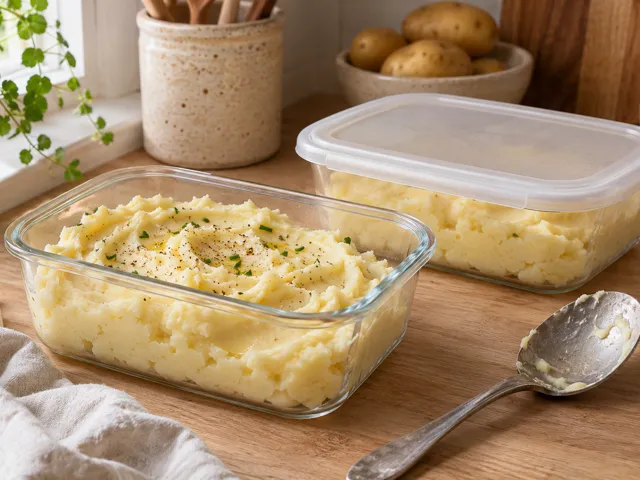
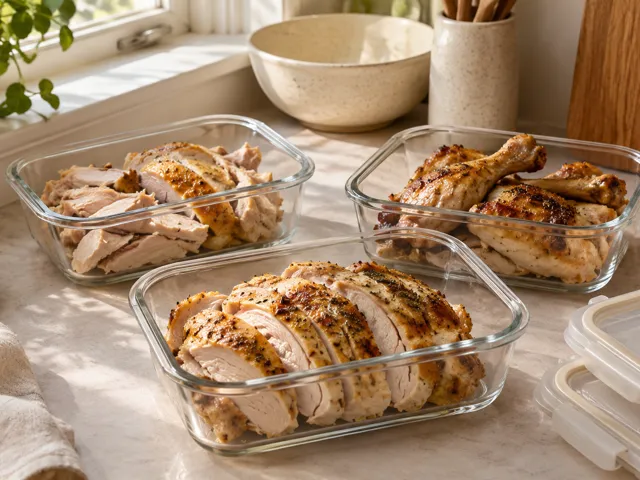
Use shallow containers for large quantities and refrigerate promptly. A stockpot left on the stove until cold can keep its center warm for a long time, which is why I'd split up a big pot before doing anything else after dinner. Dividing the food also makes tomorrow's portions easier to find and reheat.
The general room-temperature limit for perishable food is two hours, shortened to one hour when the surrounding temperature exceeds 90°F (32°C). Preparation, serving, and clearing the table all count, so I'd start that clock earlier than feels natural. A lid can protect food from contact without controlling its temperature.
Combining leftovers does not give the oldest ingredient a fresh date
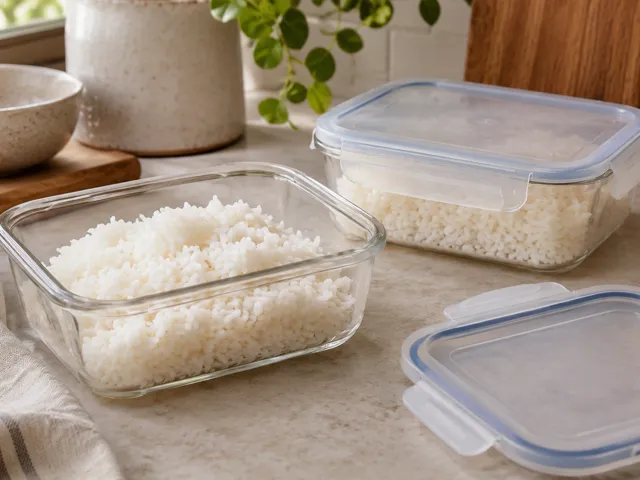
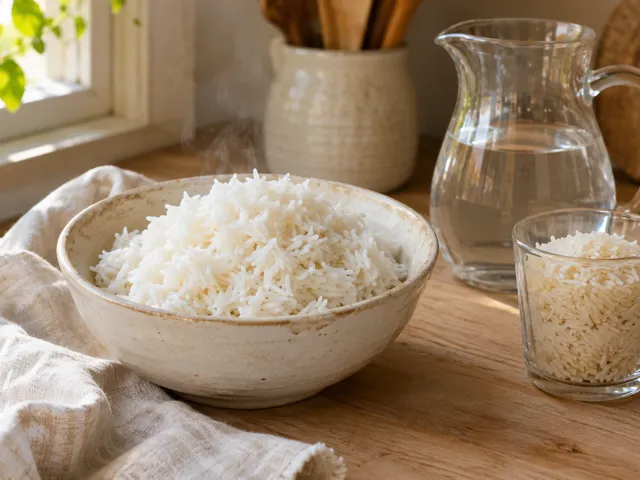
Suppose you cook chicken on Monday, refrigerate it promptly, and add some to a freshly made rice dish on Wednesday. I'd keep Monday's chicken history attached to that dish. New rice and a new container leave the chicken exactly as old as it was, so it's still not newly cooked for storage purposes. Use the oldest relevant ingredient and the most restrictive applicable guidance when planning the next meal.
A useful label could say chicken cooked Monday; assembled Wednesday. You're after just enough information to stop treating every mixed dish as starting from zero, and nobody needs a spreadsheet for that. If the older component was already mishandled, combining it with fresh ingredients rescues nothing. See the chicken and rice guides for their specific handling concerns.
Decide early what belongs in the freezer
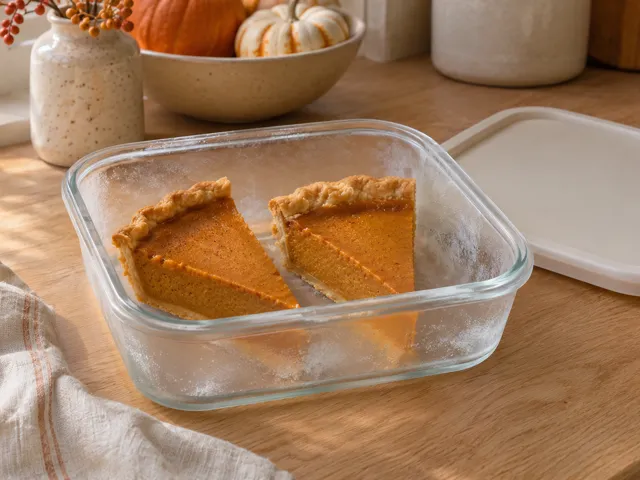
Freeze portions you won't use within their refrigerated window while they're still safely handled. I'd make that call the day the food is cooked. Waiting until the last possible day makes the decision more stressful and raises the odds of losing track.
Pack portions suited to an actual meal and note any ingredients that may change texture, since some foods freeze better than others. Freezing extends useful storage under proper conditions, but it doesn't correct unsafe cooling, excessive time on the counter, or spoilage that has already occurred.
Takeout is already partway through its story
You may not know the full preparation timeline of a restaurant dish, so I'd give takeout less benefit of the doubt than food you made yourself. Follow any supplied handling instructions and refrigerate promptly after the meal or delivery. Don't leave a takeaway carton in the car while running errands.
For a long trip, plan appropriate cold transport or choose not to save the food. The price of the entree is no evidence that the journey was safe. A restaurant container is convenient packaging and nothing more, and it has no way of controlling temperature.
Reheat deliberately
Reheat leftovers to 165°F (74°C). Check the food rather than only the appliance setting, and pay attention to cold spots in thick or mixed dishes. Follow microwave standing instructions and stir or redistribute where appropriate.
I'd serve only the portion you intend to eat, because repeated warming and cooling complicate both texture and handling. If the storage history is unsafe, a hotter reheat is no reliable reset. Think of this guide as a planning system built around safe handling. If you came looking for a permission slip for questionable food, you won't find one here.
FAQ
Does the clock restart after reheating?
Do not repeatedly reset the storage date each time a dish is warmed. Keep its original history visible and reheat only the portion you need. A newly hot surface does not make old or previously mishandled food equivalent to a freshly prepared meal.
Can hot food go into the refrigerator?
Divide large amounts into shallow containers and refrigerate promptly rather than leaving a deep pot out for hours. Arrange the food so it can cool effectively. The goal is controlled cooling, not waiting for an entire batch to feel cold on the countertop.
Does a sealed container make leftovers last longer?
A suitable cover helps protect food, but it does not replace temperature control or extend every storage window. Label the preparation date and follow the guidance for the food. A tight lid cannot reverse contamination or excessive time spent warm before storage.
What if I forgot when I cooked it?
Do not invent a date from how the food looks. If you cannot establish a safe history, choose a different meal. For future batches, label containers during portioning, while the date is certain, rather than expecting to reconstruct the week later.
Should I freeze all leftovers immediately?
Not necessarily. Keep portions you will use within the recommended refrigerated window and freeze the later meals early. The useful decision is based on your schedule and the food’s suitability for freezing, while maintaining safe cooling and handling for both groups.