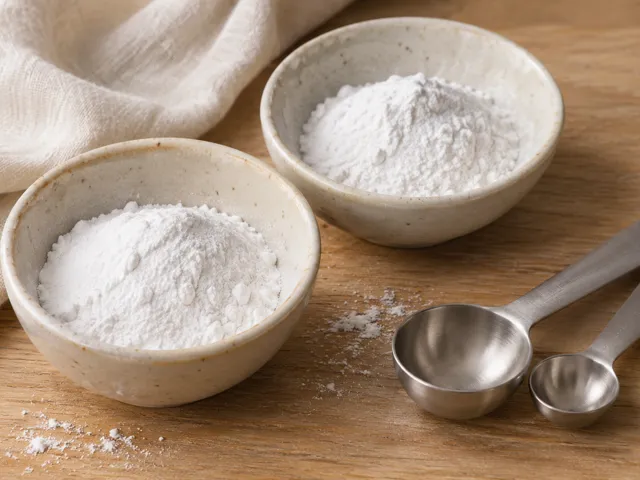
Substitutes
Baking Powder Substitute: A Measured Pantry Swap
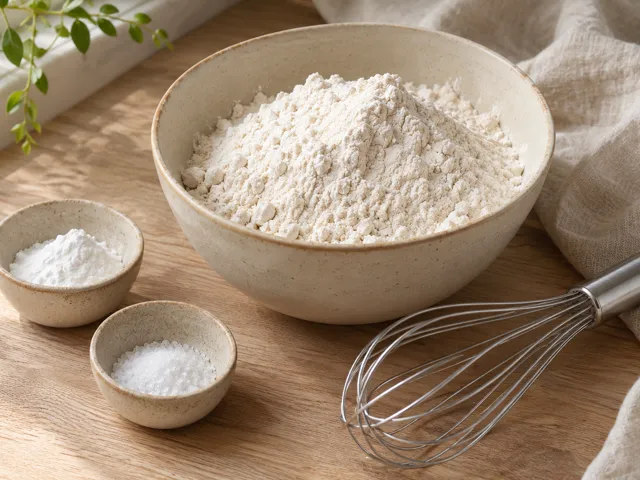
For 1 teaspoon of baking powder, use ¼ teaspoon baking soda, ½ teaspoon cream of tartar, and ¼ teaspoon cornstarch or tapioca starch. Mix …
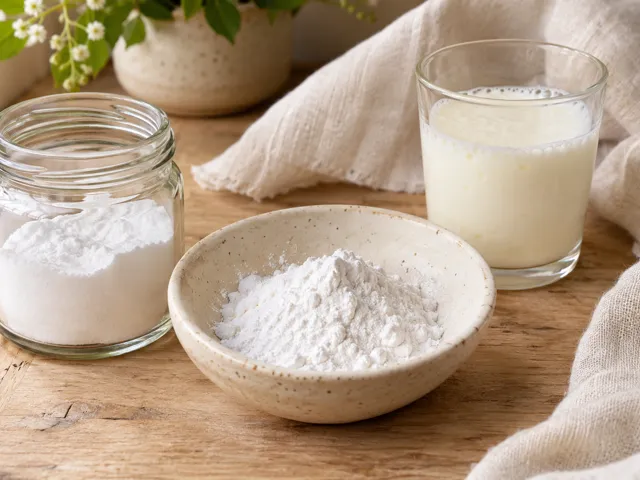
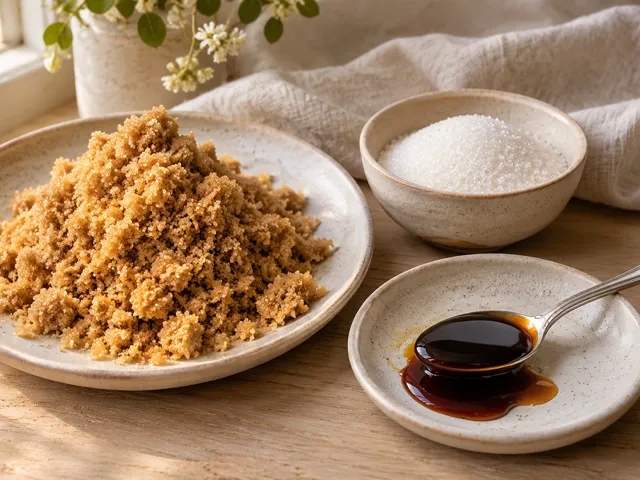
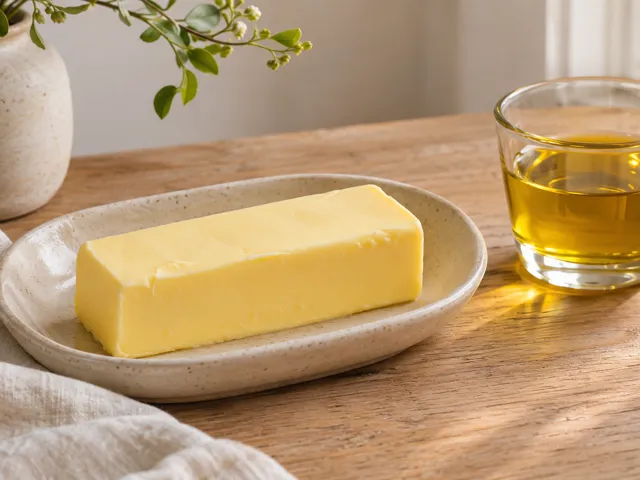

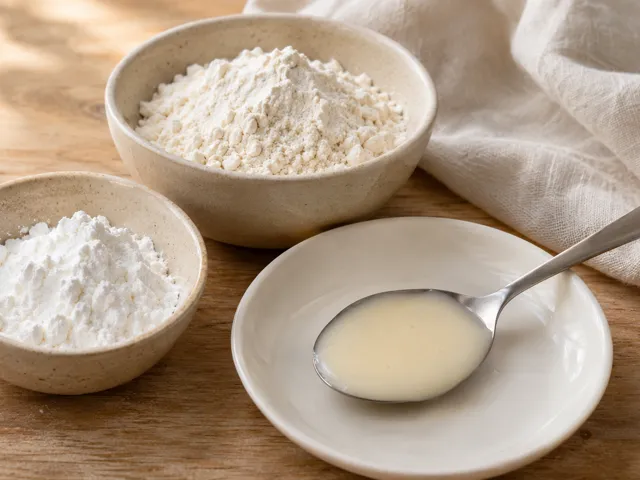
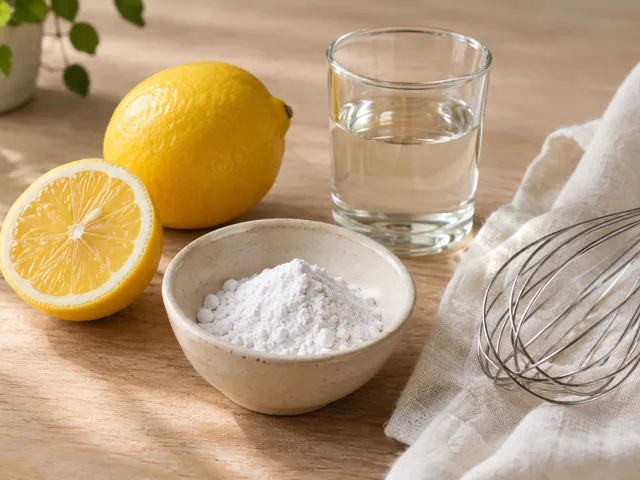
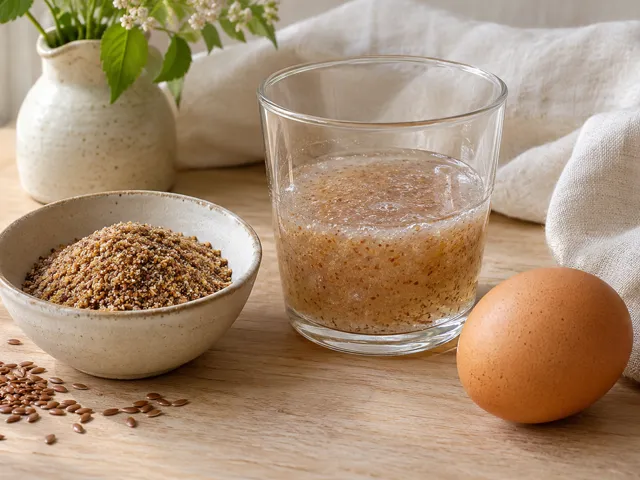
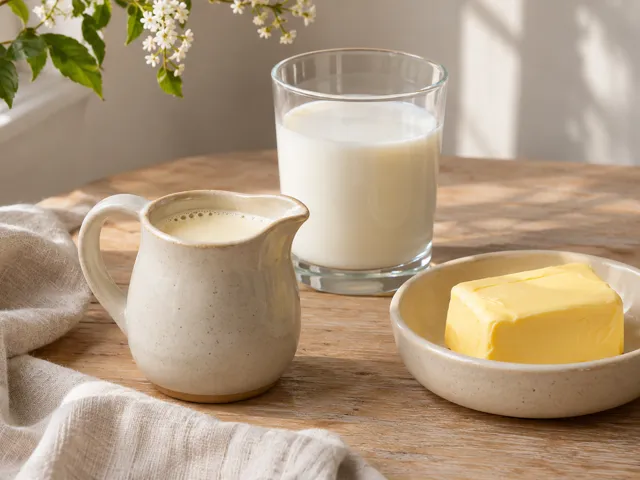
Choose a substitute by what the ingredient does in the recipe. Adding moisture, supplying acidity, thickening a sauce, and holding whipped air are different jobs. These guides explain the amount where a useful published ratio exists, along with the situations where that ratio stops being useful.
The leavener guides cover baking powder, baking soda, and cream of tartar. Read those together when a substitution changes both acidity and leavening. The self-rising flour guide keeps flour, baking powder, and salt in one measured blend.
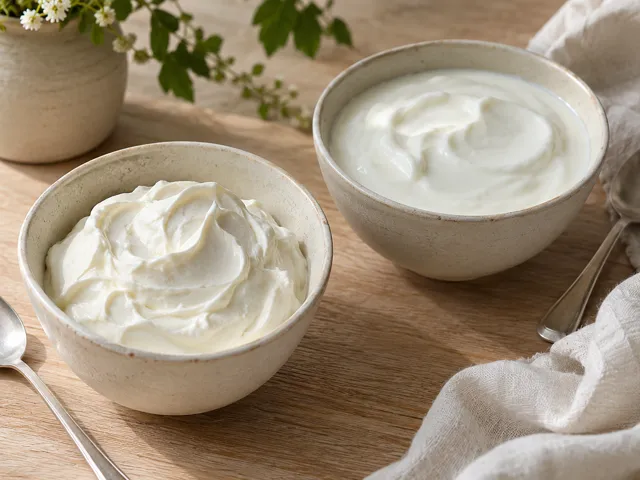
For dairy, compare buttermilk, sour cream, and heavy cream by the finished dish. A pourable replacement may work in a batter but fail in a whipped topping. For eggs and butter, the mixing method often matters as much as the ingredient quantity.
Substitution advice from two reliable sources can still differ because the recipes or intended results differ. Use one complete method. Taking a ratio from one source and an adjustment from another can produce a combination neither source recommends.
Measure the requested final amount carefully. A tablespoon added to a full cup is not the same as a tablespoon included within a cup. Small differences become more noticeable when you multiply a recipe.
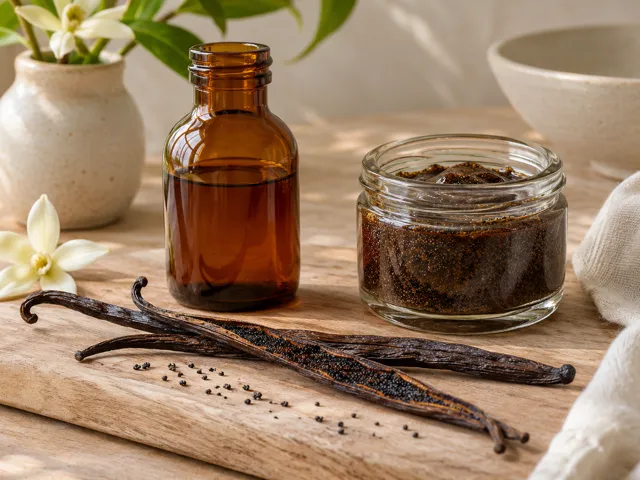
The comparison tables identify likely differences in flavor, thickness, richness, or structure. A substitute does not need to be identical to be useful, but the tradeoff should be clear before you mix the batter. Vanilla alternatives, for example, are primarily flavor decisions.
These are documented guides, not reports of kitchen trials we have not performed. Keep a short note of your product, amount, and result when adapting your own recipe. Changing one major ingredient at a time makes that note more useful and the next attempt easier to reproduce.