Cooking Times
Bacon in the Oven: Timing, Trays, and Thickness
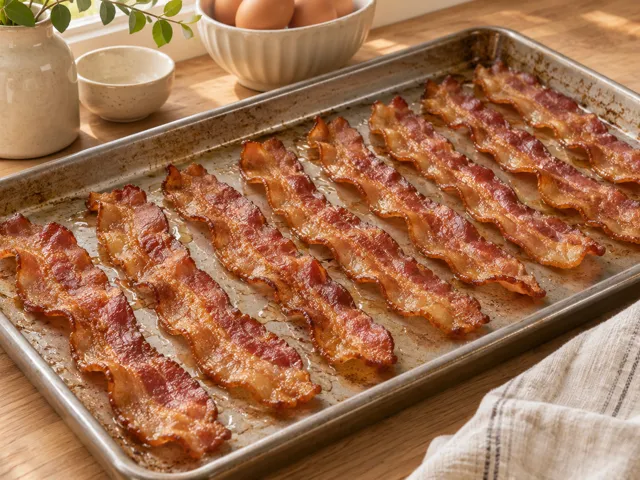
For one manufacturer’s regular bacon method, use a preheated 400°F (204°C) oven for 15–20 minutes. Follow your package first: thickness and product type change …





Use a time estimate to plan when to check. Use the appropriate doneness check to decide when cooking is complete. This collection separates those two jobs so a finished timer does not become an unsupported claim about the center of a piece of food.
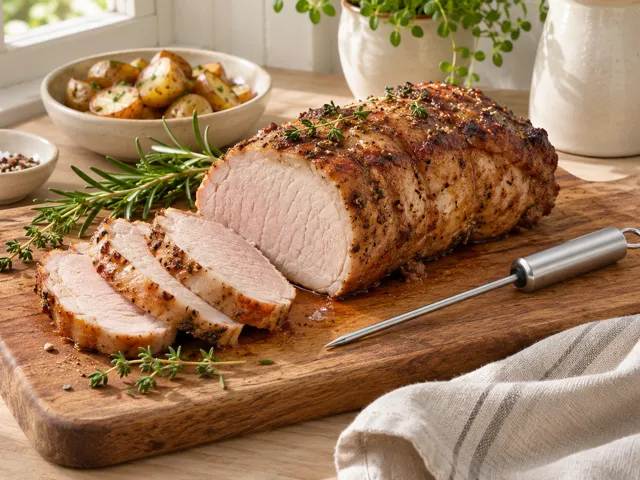
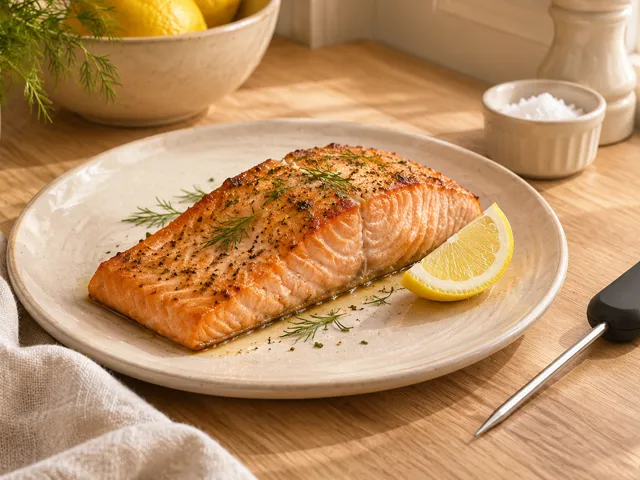
The meat and fish guides lead with recommended internal temperatures and explain where to put the thermometer. Whole pork cuts and ground pork are different cases; the steak guide also distinguishes whole beef from ground beef. The chicken guide explains why a whole bird needs several checks.
For eggs, start by identifying the cooking method. A covered stand after the heat is turned off is not the same as continuous boiling. The egg guide keeps those timings separate and links to the interactive timer’s own assumptions.
A potato can need more cooking to become tender even though a meat-style minimum temperature is not the relevant texture test. Corn timing depends on whether it is fresh or frozen. Bacon instructions vary with the product and thickness. Each article explains the conditions behind its starting estimate.
For meat and seafood, a culinary preference may differ from official consumer safety guidance. We make that distinction visible. Photographs illustrate the topic; their color is not evidence of a measured internal temperature.
Record the cut or size, appliance setting, first check time, and actual result. That is more informative than remembering only that dinner took twenty minutes. A crowded tray, a thicker portion, or a different starting temperature can explain why the next batch behaves differently.
Use the source links for the underlying recommendations and the related storage guides for what happens after dinner. Cooking, serving, cooling, and reheating are connected stages. Getting one stage right does not remove the need to handle the others carefully.