Storage
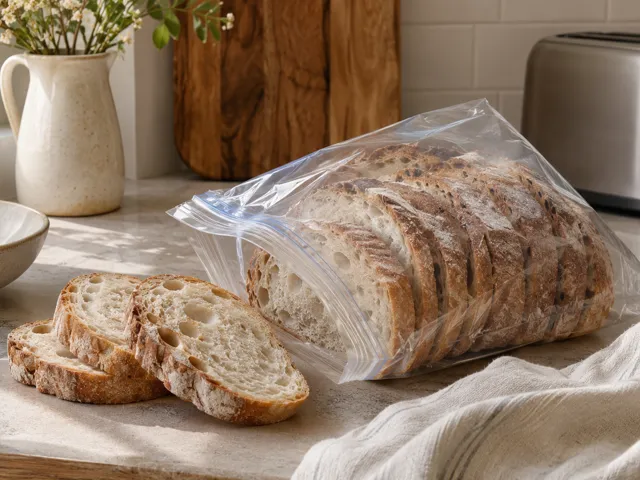
Can You Freeze Bread?
Yes. Freeze fresh bread in airtight freezer packaging, ideally in usable slices or portions. Illinois Extension suggests about 3 months for best quality; thaw …
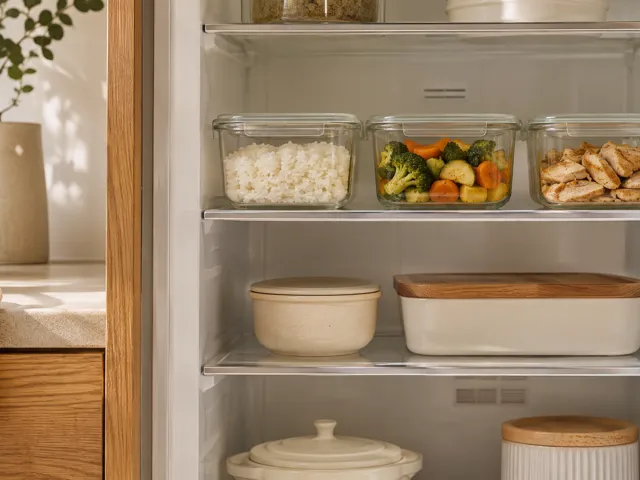
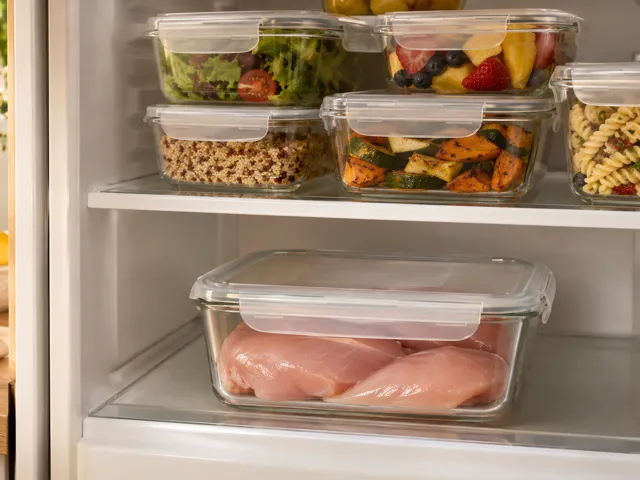
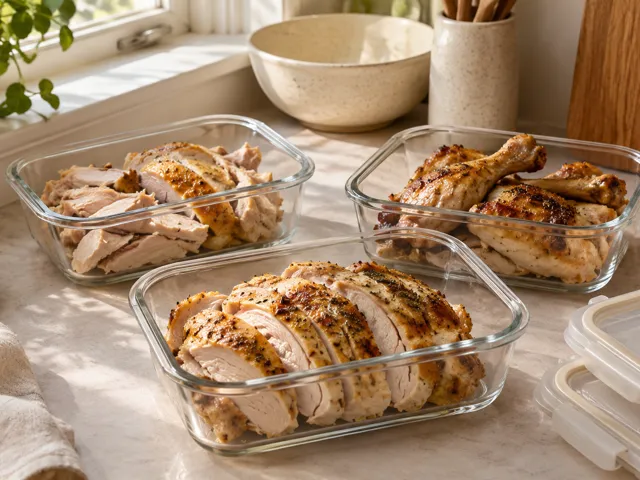
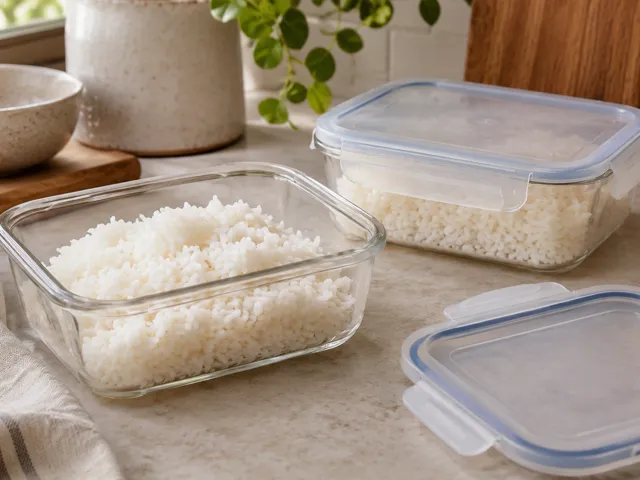
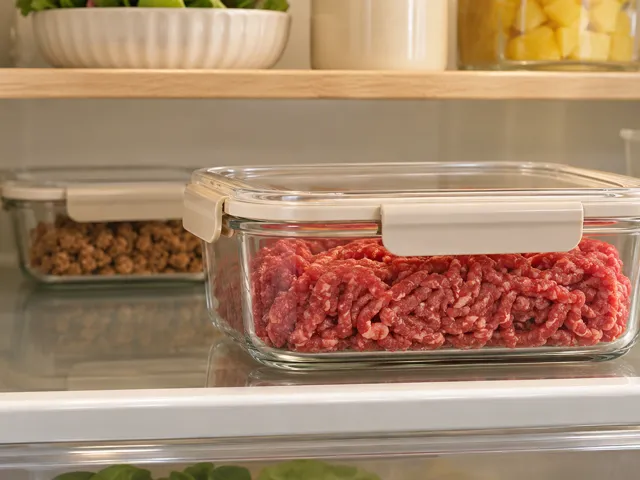
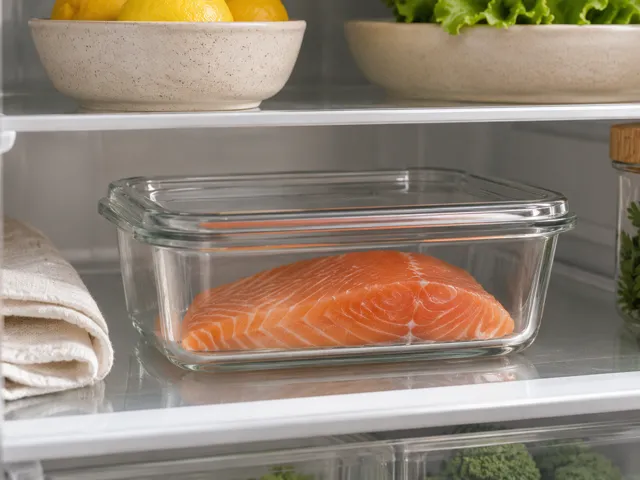
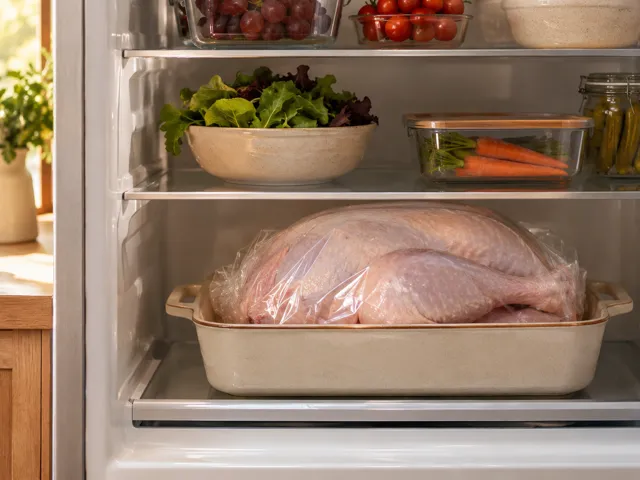
Start with the food, its condition, and how it has been handled. A raw chicken breast, a cooked chicken dinner, and a frozen portion need different decisions. These guides put the relevant storage window first, then explain what the number assumes.
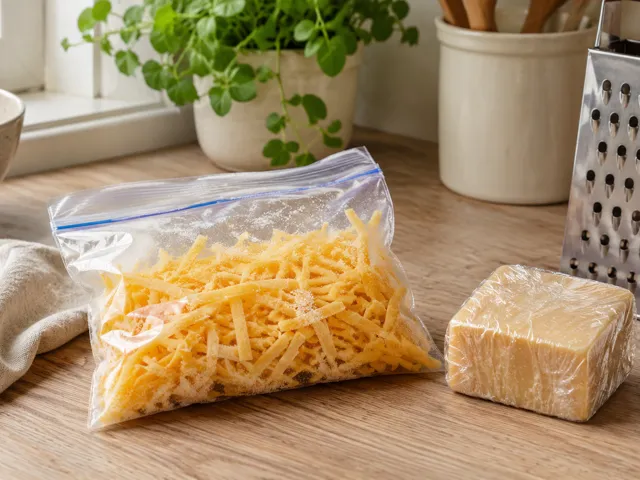
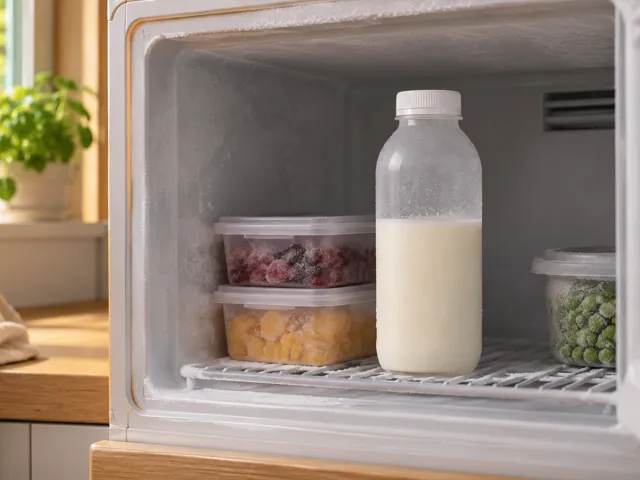
Use the raw-meat and seafood guides when deciding whether to cook or freeze a purchase. Use the cooked-food guides for rice, chicken, and mixed leftovers. The freezing guides focus on milk, cheese, and bread, where a change in texture may matter even when freezing is practical.
For a large frozen bird, the turkey guide helps you plan thawing before the day you intend to cook. It separates refrigerator thawing from cold-water thawing so you can keep each method’s timing and handling instructions together.
A refrigerator window assumes appropriate cold storage and handling. It does not apply unchanged to food left on a counter, a warm delivery, or a refrigerator that has stopped cooling. The articles explain when time outside refrigeration changes the decision.
Freezer recommendations can describe best quality rather than a precise moment when food becomes unsafe. We identify that distinction instead of presenting every duration as the same kind of deadline. Freezing also does not repair a food’s earlier storage history.
A simple label with the food name and storage date can prevent repeated guesswork. Note the cooking date for leftovers and the freezing date for portions. Keep older usable items visible so they are easier to plan into a meal.
Each guide includes a quick table, practical handling details, related pages, and source links. Check the conditions before relying on the headline number. If you cannot establish a perishable food’s history, a photograph or a smell check cannot fill that gap.