Can You Freeze Cheese?
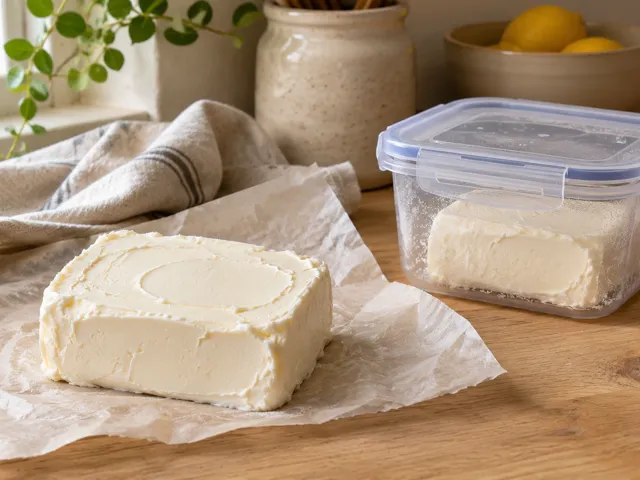
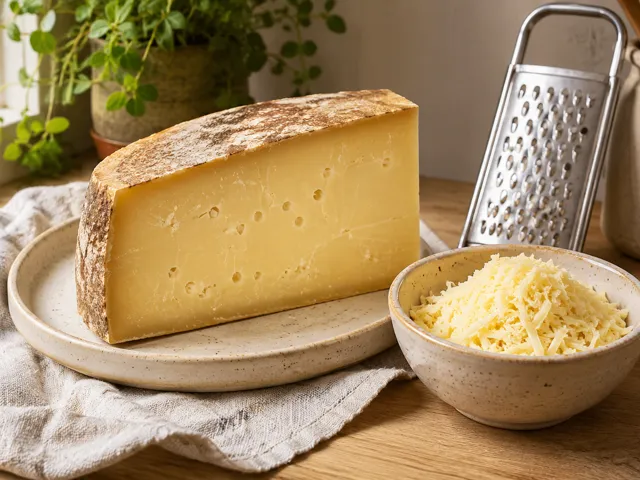
Yes, many firm cheeses can be frozen, but they may become crumbly. Plan to use thawed cheese in cooked dishes; cream cheese, cottage cheese, and ricotta generally freeze poorly.
| Cheese form | Freezing suitability | Best expectation |
|---|---|---|
| Firm block cheese | Often practical | May crumble after thawing |
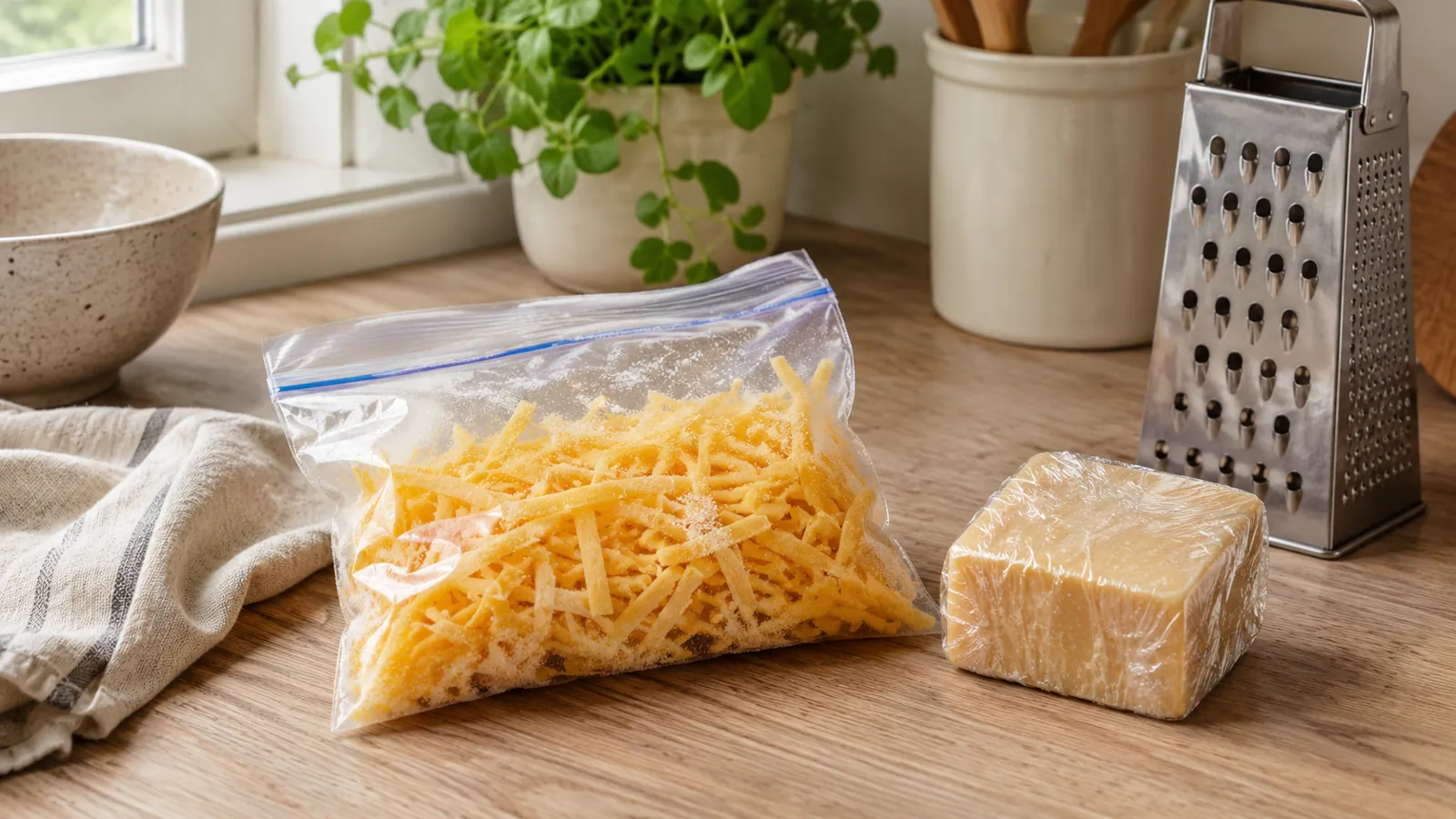
| Grated firm cheese | Convenient portions | Useful in cooked dishes |
| Cream cheese, cottage cheese, ricotta | Poor texture results | Do not expect the fresh texture |
Plan a cooked use for frozen cheese
Frozen cheese has a job, and that job is melting. I'd freeze firm cheese for grating or melting into a dish, where a crumbly texture is far less troublesome than on a cheese board. A cheese bought mainly for its texture is better planned into a fresh meal. That's a judgment about eating quality, and it leaves safe handling limits exactly where they were.
Decide whether texture is the main attraction
A cheese chosen for a pristine slice on a board is a different candidate from one headed for a casserole. Freezing can preserve useful food while changing how it cuts or feels, so decide which result you need before you start wrapping.
The National Center for Home Food Preservation notes that frozen cheese can become crumbly and that several fresh cheeses do not freeze well. I take those as quality limitations. They do not mean that freezing a spoiled or mishandled cheese makes it acceptable.
Grate now if that is how you will use it
If the cheese is going into a future cooked dish anyway, I'd grate it today, since that's one less chore on the night you're cooking. Divide it into amounts you can use and resist packing one large, tightly compressed mass. Suitable freezer packaging should limit air exposure and keep the contents identifiable.
For blocks, stick to manageable portions and wrap them well. Keep the cheese name and date with each one. Different cheeses can look alike after wrapping, and a mystery block is hard to plan a dish around, in flavor or in quantity.
A large cheddar block with two different uses
Say part of a cheddar block is for sandwiches this week and the rest is for a future baked dish. Keep the sandwich portion under its normal refrigerated instructions. Portion or grate the amount meant for cooking, package it for freezing, and label the intended use as well as the date.
I'd resist freezing the whole block just because you can, only to discover later that you need smooth slices from a crumbly thawed piece. If you're unsure how a particular cheese behaves, freeze a small portion first and assess its texture after refrigerator thawing. That trial is yours to run, and it'll speak for your cheese in a way general advice can't. Soft fresh cheeses need their own guidance, and this cheddar example sets no universal rule.
Thaw under refrigeration
Move the portion to the refrigerator and keep it protected from other foods. Plan enough time for its size. Do not leave a large block on a warm counter simply because the center is still hard; that hard center is what makes the shortcut so tempting.
After thawing, use the cheese in a realistic timeframe consistent with its product guidance and prior history. Freezing does not erase the time it spent open beforehand, so I'd record enough on the label that you're never left deciding by appearance alone.
Match the thawed cheese to the dish
Crumbly firm cheese is handy where shredding or crumbling was the plan anyway. Think sauces, baked fillings, and other preparations designed for that cheese. The exact recipe still matters, since adding a different moisture level or flavor can change the result.
For a fresh-cheese dessert or a smooth spread, freezing may compromise the very thing you wanted. In that spot I'd buy a smaller quantity next time, or pick a preparation that uses the remainder now, instead of freezing it with no future use in mind. That may well be the better way to cut waste.
Do not confuse freezer damage with a safety assessment
Dry edges or changes in texture can be quality issues, but a photograph cannot establish the product's full handling history. If the cheese was unsafe before freezing, a new wrapper and a low temperature are not a corrective process.
Keep the freezer organized so portions get used on purpose. A short inventory can be as simple as cheese name, amount, and date on the bag. I'm after a saved ingredient you'll really use, and a collection of unidentified packages defeats that. The guides to freezing milk and storing leftovers follow the same portion-and-label approach.
FAQ
Can I freeze grated cheddar?
Grated firm cheese can be a practical choice, especially for cooked dishes. Package useful portions with limited air exposure and label them clearly. Expect some possible texture change, and follow any product-specific instructions rather than assuming every cheese blend behaves identically.
Will the block slice neatly after thawing?
It may not. Firm cheese can become more crumbly, so freezing is less attractive when clean slices are central to the serving plan. Decide whether a cooked or grated use would still meet your needs before freezing the whole block.
Can I freeze cream cheese for a smooth frosting?
Do not expect it to retain the same smooth texture. The preservation guidance lists cream cheese among cheeses that freeze poorly. For a texture-sensitive frosting, use a recipe or product instruction that specifically supports frozen-and-thawed cream cheese, or keep the original fresh ingredient.
Can freezing remove mold or spoilage?
No. Freezing is not a repair for spoiled or improperly handled food. Assess the cheese before packaging it using appropriate product guidance. A frozen surface can hide detail without changing the history that made the food unsuitable in the first place.
Should I thaw the whole bag of grated cheese?
Portioning beforehand can avoid thawing more than you need. Follow the intended recipe and safe handling instructions for the portion you use, while keeping the remainder appropriately stored. A large repeatedly handled bag is less convenient than several clearly labeled meal-sized portions.