Food answers, clearly explained
Know what to keep, what to swap, and when to check. Practical food guides and kitchen tools, with clear assumptions and identifiable sources.
 COOKING TIMES
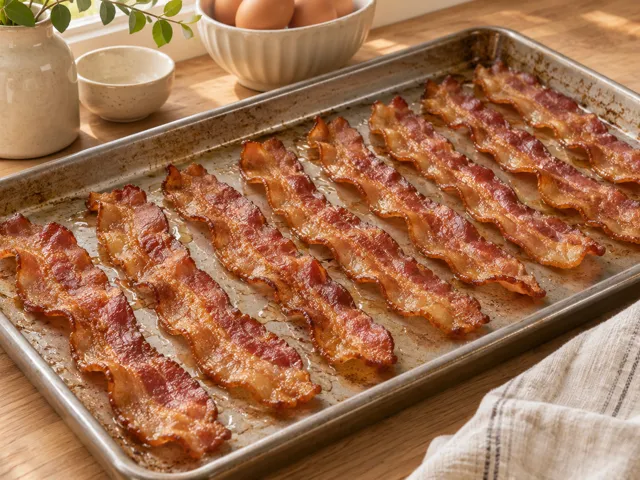
Bacon in the Oven: Timing, Trays, and Thickness
 SUBSTITUTES
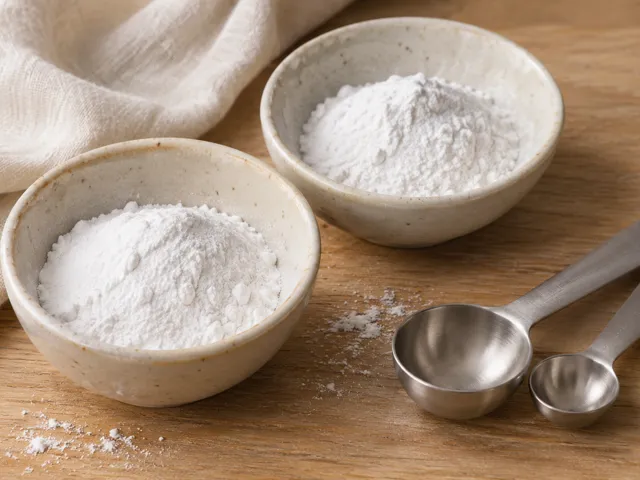
Baking Powder Substitute: A Measured Pantry Swap
 SUBSTITUTES
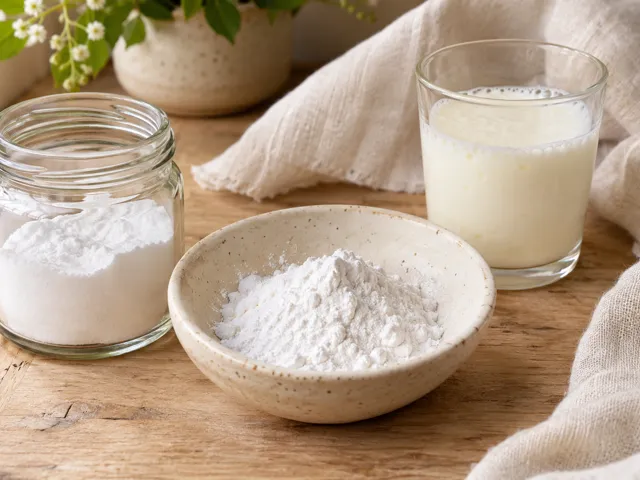
Baking Soda Substitute: When Baking Powder Can Help
 TOOLS
Boiled Egg Timer
 TOOLS
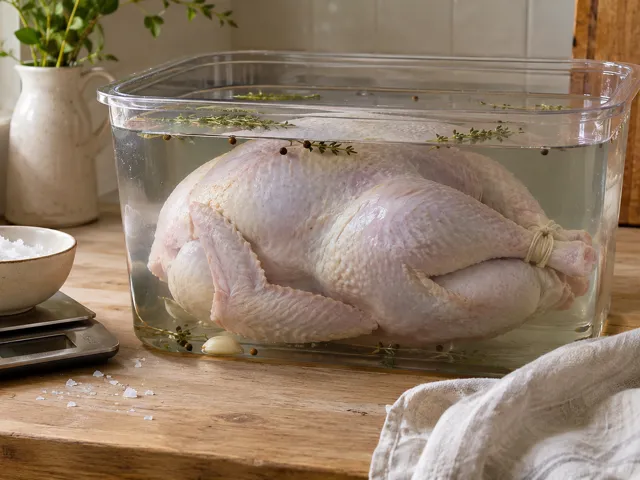
Brine Calculator: Salt by Weight for Any Amount of Water
 SUBSTITUTES
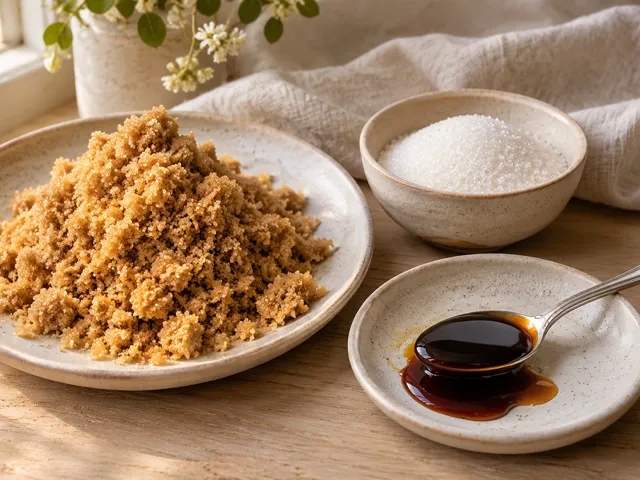
Brown Sugar Substitute: White Sugar and Molasses
 SUBSTITUTES
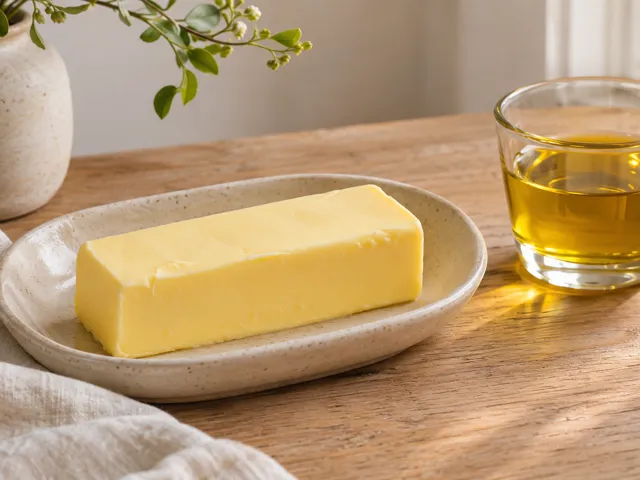
Butter Substitute: Match the Fat to the Method
 SUBSTITUTES
Buttermilk Substitute: Choose the Right Swap
Cooking times
Know when to start checking and where to place the thermometer. Each guide separates timing estimates from recommended safety temperatures.
Keep it or swap it
Straight answers first, then the conditions that matter. Storage guides cite food-safety sources; substitution guides explain useful ratios and their limits.
Start with the decision in front of you
A packet of chicken in the fridge, a missing baking ingredient, or a tray that looks ready before the timer ends: small kitchen questions deserve clear answers. Each guide starts with a short answer and a reference table, then explains the conditions behind the numbers.
A refrigerator window assumes appropriate cold storage. A freezer duration may describe quality rather than a safety deadline. A substitute that adds richness may still fail when a recipe needs whipped air. Those distinctions help you choose the next step with the ingredients you actually have.
Use a calculation for the job it can do
A dough calculator balances ingredient weights; it cannot choose a fermentation schedule for an unknown kitchen. An egg timer can remind you to check, but it cannot see the yolk. The explanations below each widget include examples and limits so the result remains useful when you change the batch.
Know where an answer comes from
Source links let you check the underlying guidance. These articles draw on food-safety agencies, university extension programs, and relevant baking references.
Read the editorial policy for how guides are prepared. If a quantity, link, or explanation needs correction, send the page address and the detail you noticed.