Cumin Substitute: Start with Half as Much
Start with ½ teaspoon ground coriander for each 1 teaspoon cumin, accepting a lighter, more citrusy flavor. University of Wyoming Extension also lists half as much caraway; chili powder can work in compatible dishes but brings other seasonings.
| Alternative | Starting amount per 1 tsp cumin | Flavor tradeoff |
|---|---|---|
| Ground coriander | ½ tsp | Brighter and less earthy |
| Caraway seeds | ½ tsp | Distinctive caraway character and texture |
| Chili powder blend | Add cautiously; check ingredients | May add heat, salt, and other spices |
| Garam masala | Small amount in a compatible dish | Changes the whole spice profile |
Choose a direction instead of a counterfeit
I doubt anything on the spice rack will convince a careful eater that it's cumin, so I'd stop auditioning imitators. Cumin has a recognizable earthy character. Ground coriander can fill part of the seasoning space, but it doesn't make the dish taste as though cumin is present. Pick the most compatible alternative and accept a modest variation, because stacking several spices in pursuit of an exact imitation only gives you a busier dish.
The University of Wyoming substitution chart gives half-quantity coriander or caraway as options. That's a starting point, with no claim that their flavors are identical. The rest of the dish determines whether the change works.
Match the substitute to dinner
- Lentil soup or roasted carrots: I'd begin with ground coriander for a brighter, citrus-like spice note without adding chile heat. Use ½ teaspoon for each teaspoon cumin, then taste after the seasoning has cooked into the dish.
- Cabbage, potatoes, or a beef stew: caraway seeds can fit the meal if their distinctive flavor and visible seeds are welcome. The Wyoming chart specifies caraway seeds, so its half-quantity option is no weight conversion to finely ground caraway.
- Chili or taco filling: a US chili-powder blend may be the convenient choice if you're only out of cumin. Check whether it includes cumin, salt, and hot chile before adding more of those separately.
For a smooth dip, whole caraway seeds are a conspicuous change even at the right spoon measure, so I'd go with ground coriander there as the more restrained option. If cumin is an ingredient you need to exclude, a spice blend containing it is no workaround; use a clearly identified single spice instead.
Ground coriander is the restrained choice
Coriander is where I'd start when the dish can accept a brighter spice note and you want to avoid adding heat. Add the initial amount within the cooking method, then assess a safe cooked sample before increasing it. A freshly opened spice can be more assertive than one that has sat in a warm cupboard, so the age of the jar deserves a thought.
Keep coriander seed and cilantro leaves apart in your mind. They come from the same plant but play different culinary roles, and a handful of leaves in place of a ground seed spice changes texture, timing, and flavor rather than following the same substitution.
Caraway is distinctive
Caraway can suit certain savory dishes, but its recognizable character can become the new dominant flavor, so I'd invite it only if you're happy to let it run the meal. Whole seeds also introduce a texture that ground cumin wouldn't. Think about that before adding them to a smooth sauce or delicate filling.
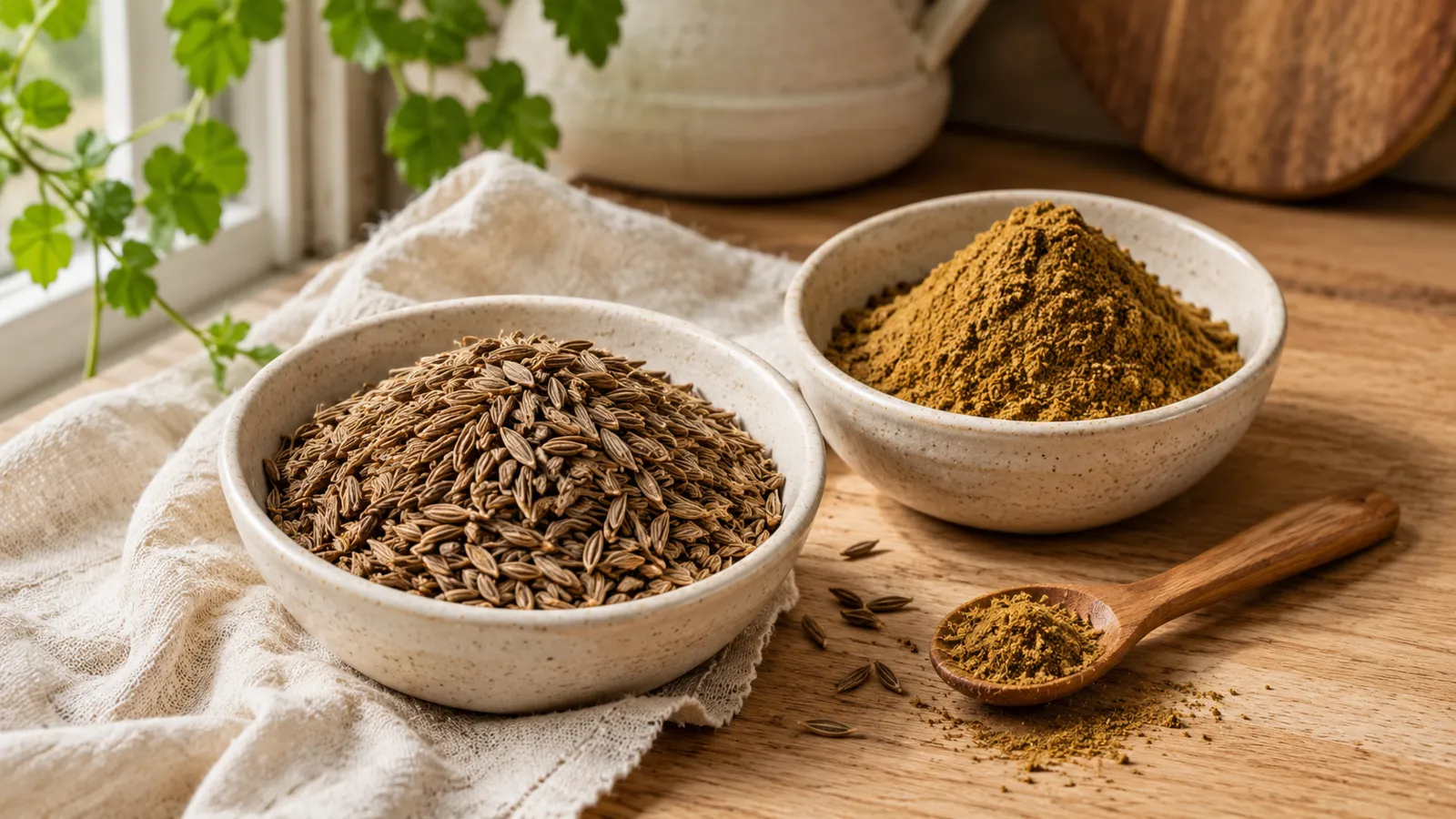
If you're grinding the alternative, keep the measurement and preparation clear. A spoonful of loosely arranged seeds and a spoonful of powder aren't automatically equivalent in weight. I'd use a method that supports the chosen form and avoid quietly switching forms and quantities together.
Read chili powder and spice-blend labels
In US cooking, chili powder often means a blend, while some products are simply ground chile. The blend may already include cumin, salt, garlic, or other seasonings. That matters if you're avoiding cumin rather than merely out of it, and it matters when the dish already has enough heat or salt.
Garam masala changes the overall spice direction instead of replacing a single earthy note, so I'd use it only when that direction fits the meal. For a tomato-based chili, check tomato paste alternatives if the tomato base is also missing; reducing sauce is a separate practical change from seasoning the chili.
When cumin is the defining flavor of the preparation, I'd choose another dish or wait for the ingredient. A substitute can keep dinner moving, but it can't preserve the identity of every recipe.
FAQ
Can coriander replace cumin one for one?
Start with half as much ground coriander, as the extension substitution guidance suggests, and assess the finished flavor before adding more. Coriander is brighter and does not reproduce cumin’s earthy character. A larger amount makes more coriander flavor, not necessarily a closer cumin imitation.
Can I use chili powder instead of cumin?
It can suit a compatible dish, but read whether the product is a blend or a single ground chile. A blend may add salt, heat, garlic, and even cumin itself. That makes it a poor unexamined choice when the reason for substitution is avoiding cumin rather than running out.
Are cumin and caraway the same spice?
No. Caraway is a possible substitution in some dishes, but it has its own flavor and may introduce whole-seed texture. Use it deliberately and cautiously. Similar-looking seeds or overlapping uses do not make the spices identical, especially when one is the main seasoning in a dish.
Can I use cilantro leaves instead of ground coriander?
Not as the same substitution. Leaves and ground seeds contribute different flavors and textures, even when they come from the same plant. If you want fresh herbs in the dish, add them as a separate choice rather than measuring them as though they were the recommended ground spice.
What if cumin is the main flavor?
The substitution becomes more noticeable as cumin’s role grows. I would choose a preparation built around the available spice rather than promise the original identity will survive. A small seasoning adjustment in a stew is more forgiving than replacing the central flavor of a deliberately cumin-forward dish.