Rice Vinegar Substitute: Plain vs. Seasoned
White wine vinegar can replace plain rice vinegar in a dressing. For 1 tablespoon rice vinegar, I would start with 2 teaspoons white wine vinegar and add up to the remaining teaspoon after tasting the dressed food. Check whether the original vinegar is seasoned; this is not a canning substitution.
| Alternative | Starting use | Main change |
|---|---|---|
| White wine vinegar | Up to equal volume in a dressing | Often sharper; adjust gradually |
| Apple cider vinegar | Up to equal volume in flexible cooking | Adds apple character |
| Lemon juice | Add gradually for taste | Citrus flavor; not the same ingredient |
| Seasoned rice vinegar | Account for added seasoning | Changes sugar and salt balance |
Check whether the original is seasoned
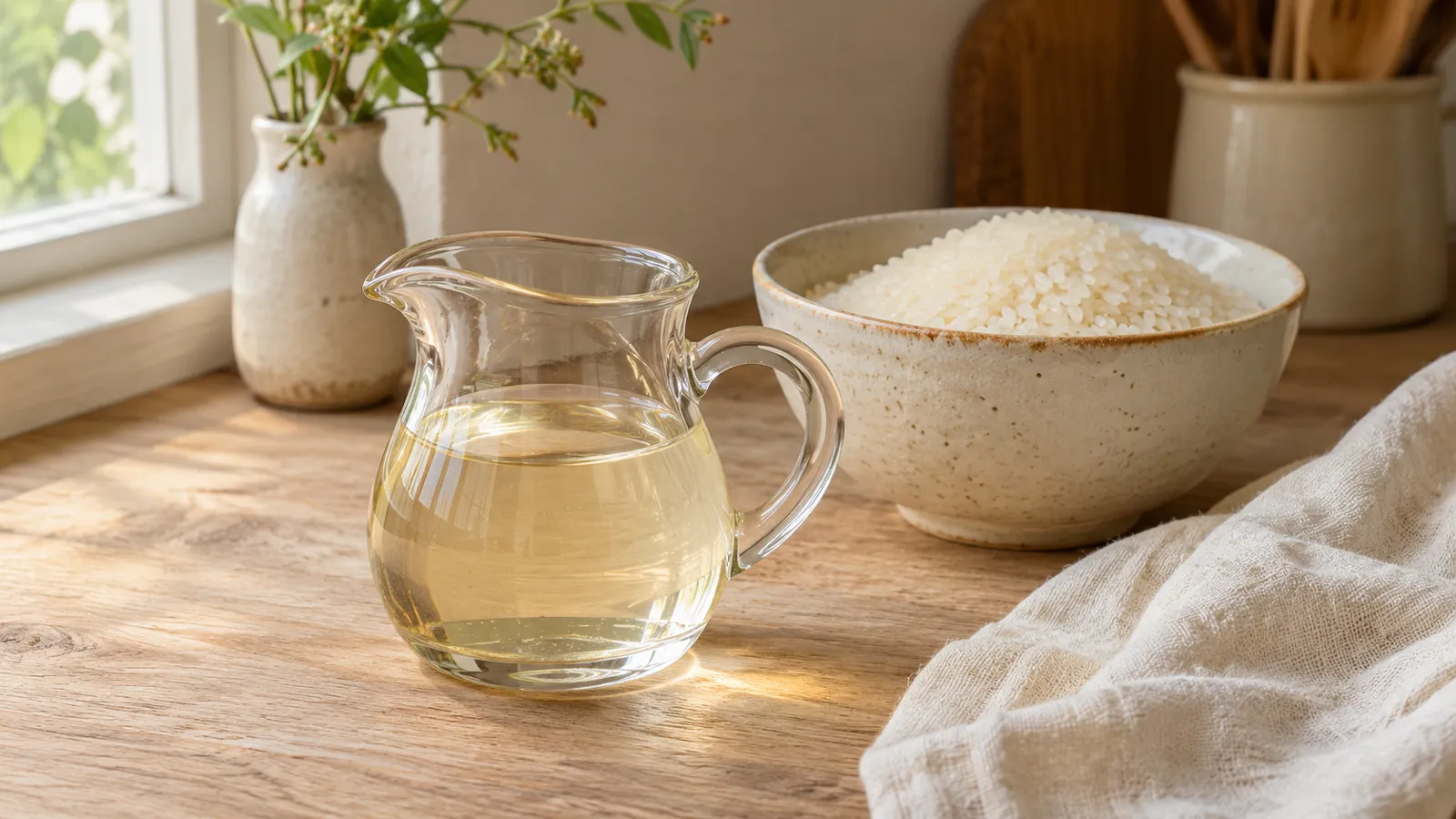
Before you swap anything, find out which rice vinegar the recipe means, because plain and seasoned are two different products wearing nearly the same label. A seasoned bottle may already contribute sugar and salt. If the recipe adds those separately, pour it in and the dish can end up sweeter or saltier than anyone intended.
I'd read the ingredient line and the recipe side by side before deciding on anything. The Kikkoman plain rice vinegar label, for example, lists vinegar diluted to 4.2 percent acidity. Take that as one product's description and no guarantee about the strength of another bottle.
White wine vinegar is the practical dressing option
For a flexible dressing, I'd go to white wine vinegar first. It brings a relatively clean acidity and none of the strong color you'd get from balsamic. If your bottle tastes notably sharper, start with less and work toward the original measured quantity only as far as the dressing asks.
NHLBI's cooking guide identifies white wine vinegar as a substitute for rice vinegar. For a dressing calling for 1 tablespoon rice vinegar, I'd start with 2 teaspoons white wine vinegar and add the remaining teaspoon only if the dressed food needs it. That staging is my own call on flavor, not a published acidity conversion.
Cider vinegar and citrus create a variation
Apple cider vinegar brings its own fruit character, which I'd welcome in a slaw or a substantial cooked sauce and think twice about in something delicate. Lemon juice supplies acidity too, but it announces itself as citrus, so nobody will mistake it for a neutral replacement.
Pick one of these when its character fits the dish. What I'd skip is blending several acids to impersonate the missing bottle, since you end up seasoning around a mixture of your own invention. If the cider vinegar has been in the cupboard a while, check its label and storage history first.
What I would do for sushi rice
With seasoned rice vinegar on hand, the job is easy: use its rice-seasoning directions and leave out the separate sugar and salt until you've checked the balance. With only white wine vinegar, expect a sharper variation. If the familiar sushi-rice flavor is what you're after, I'd change the plan and make a rice bowl with a separately adjustable dressing. You get a good meal, and nobody has to pretend a different vinegar tastes identical.
Plain vinegar, seasoned vinegar, and mirin are three different purchases. Mirin is a sweet rice cooking wine, which makes it the wrong bottle when the job calls for sour, so I'd check the name before pouring, especially on an unfamiliar label. Grab it by mistake and you get a sweeter result that still lacks the acid the dish needs.
Keep canning and sushi handling separate
Home canning is where I stop being flexible. Never apply a casual dressing ratio to a jar: use the vinegar type, acidity, and quantity required by a research-tested preservation method. A pleasant sour taste cannot verify the acid level of a finished jar, and homemade or diluted vinegar needs particular caution because its strength may be unknown.
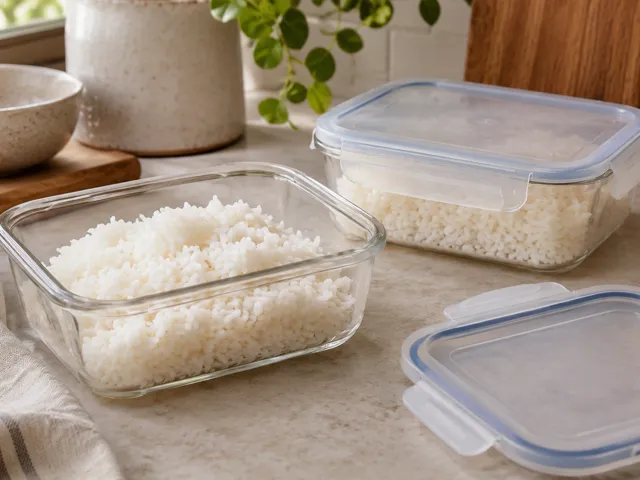
Likewise, seasoning rice at home is no proof that it can sit at room temperature indefinitely. The cooked rice safety guide explains the storage issue. A flavor substitution should never quietly become a food-preservation claim.
For a sweetened dressing, change the vinegar before you make the final sugar and salt adjustments. I like that order because it spares you from correcting an imbalance that an unnoticed seasoned bottle introduced in the first place.
FAQ
Is rice wine vinegar the same as rice vinegar?
Those names commonly refer to rice vinegar, but read the bottle to confirm the product. Rice wine itself is a different ingredient and is not a direct vinegar replacement. Also check whether the vinegar is seasoned, since added sugar and salt affect how you adjust the dish.
Can apple cider vinegar replace rice vinegar?
In a flexible dressing or cooked sauce, it can be a useful starting alternative in a similar measured amount, added gradually. Expect an apple character and potentially sharper taste. This is a flavor suggestion, not permission to replace the specified acid in a home-canning recipe.
Should I add sugar to white wine vinegar?
Only if the finished dish needs it. Plain rice vinegar is different from a seasoned product, so automatically adding sugar can introduce sweetness the original recipe did not request. Make a small adjustment after considering the rest of the ingredients instead of using a universal sweetening formula.
Can I use rice vinegar for shelf-stable pickles?
Only when the complete research-tested method specifies or permits the product’s acidity. Some rice vinegars are below the strength required by common canning recipes. Read the label and follow the tested proportions; a generic substitution chart for dressings cannot establish a safe preservation process.
Does vinegar make cooked rice safe to leave out?
Do not assume that adding vinegar at home makes rice shelf-stable. Flavoring rice is different from controlling and validating its acidity for food safety. Follow the cooked-rice storage guidance and refrigerate appropriately rather than using a sour taste as evidence that room-temperature holding is safe.