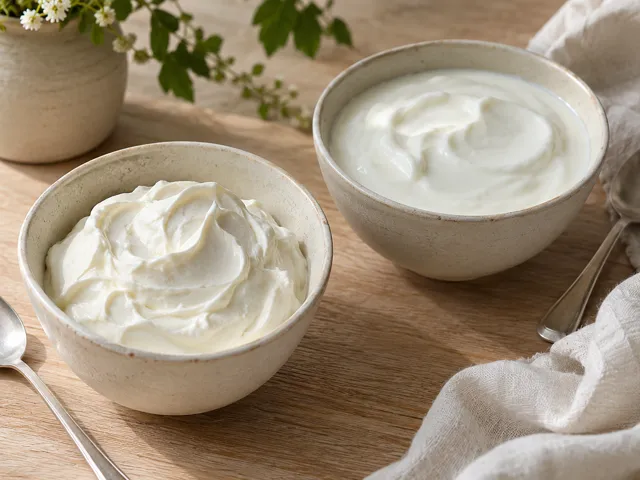
Buttermilk Substitute: Choose the Right Swap
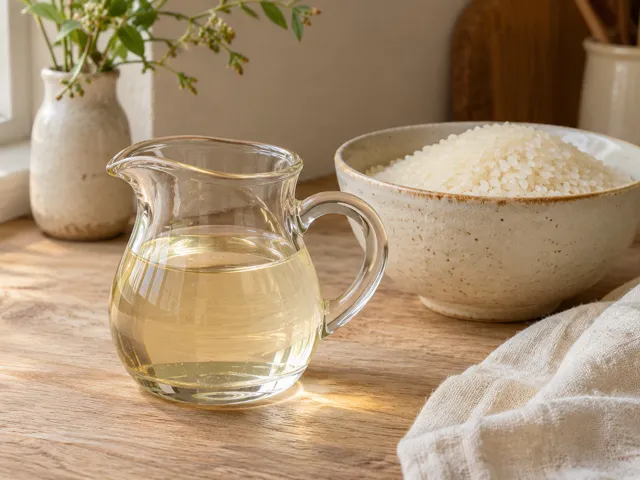
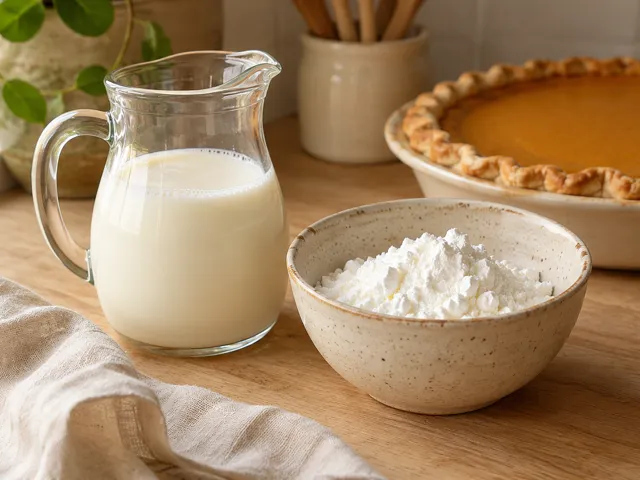
For 1 cup of buttermilk, add 1 tablespoon lemon juice or vinegar, then enough milk to make 1 cup total. Let stand about 5 minutes. This is a baking substitute, not cultured buttermilk.
| Option | Starting amount | Main difference |
|---|---|---|
| Milk plus acid | 1 tbsp acid; milk to 1 cup total | Thinner than cultured buttermilk |
| Plain yogurt | Use a recipe-specific dilution | Thickness varies by product |
| Plain kefir | Check the recipe and product | Flavor and consistency vary |
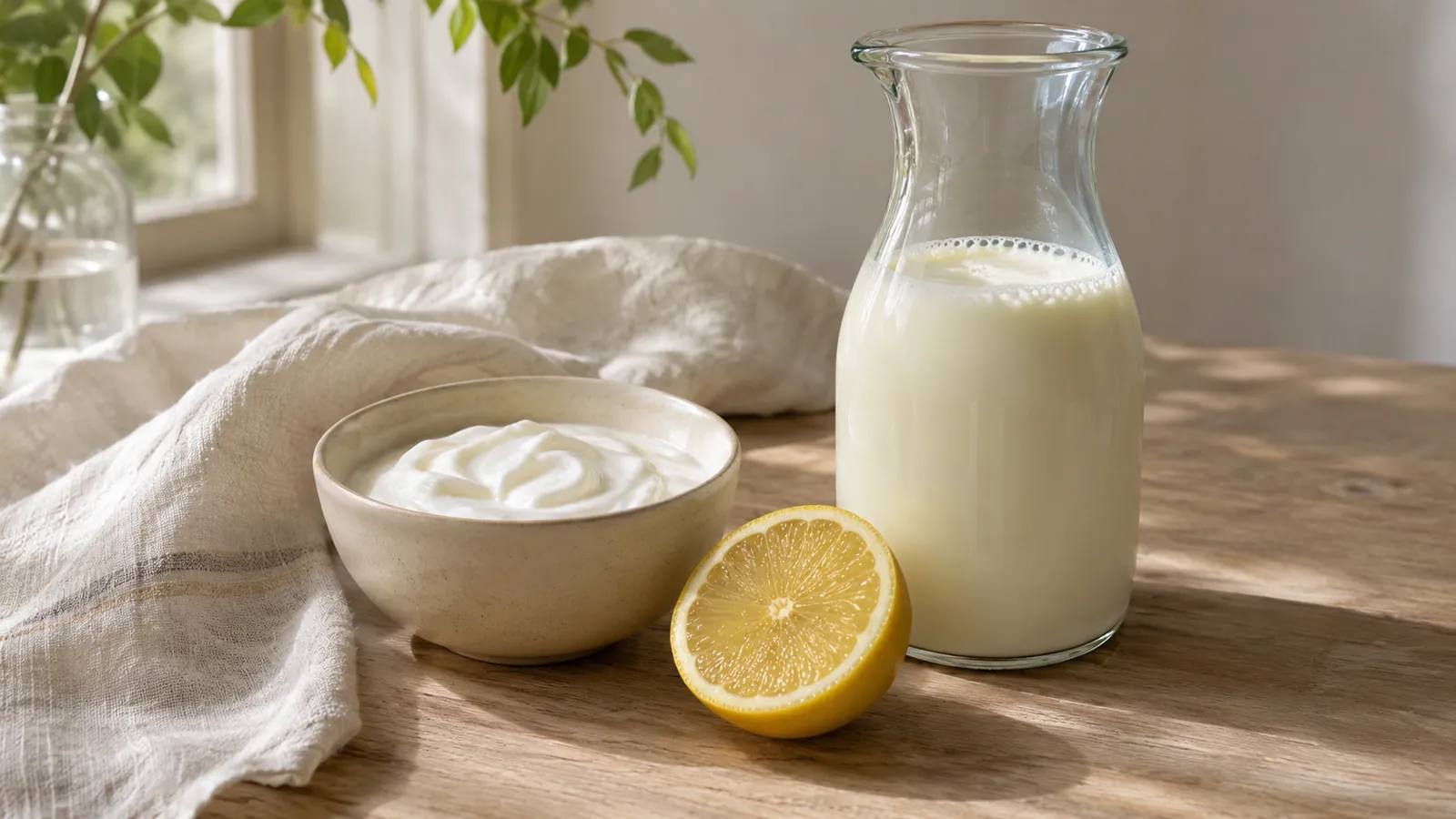
Baking and dressing call for different choices
For a modest amount in pancakes or quick bread, milk and acid will do the job, and I'd go that way without a second thought: ordinary ingredients, with a clear final volume. For a dressing where buttermilk supplies most of the flavor, I'd put the real thing on the shopping list. Acidity helps with the baking function, but it doesn't recreate the cultured product's taste and body.
Measure the final cup, not a cup plus a tablespoon
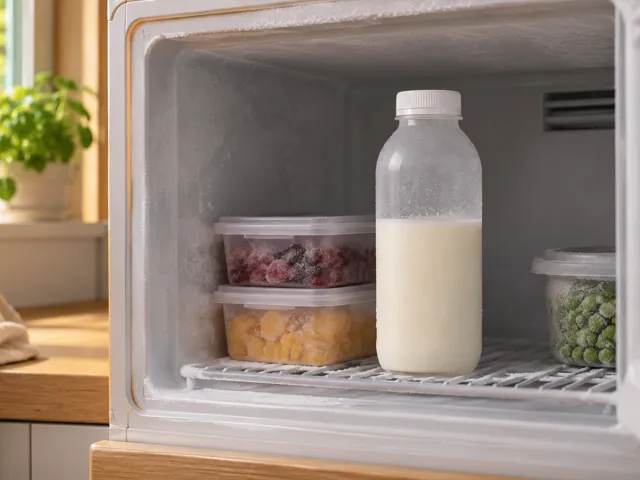
Put the tablespoon of acid in the measuring cup first, then add milk to the one-cup line. Add a tablespoon on top of an already full cup and you've got a different amount of liquid. If you keep milk on hand for this swap, the guide to freezing milk explains how to portion a surplus. The difference is small in one batch and gets more noticeable when you scale up, so I'd learn it the right way from the start.
What the swap changes
Acidified milk supplies an acidic liquid, which is the part of the job I'd trust it with. It does not reproduce all the characteristics of cultured buttermilk, and thickness and flavor can differ. A batter that relies heavily on buttermilk may therefore behave differently from one that uses only a small amount.
Read the original formula for context. If it contains baking soda, the acidic ingredient is part of the balance. Plain milk plus a changed leavener is a different and messier problem than the measured acidified-milk substitute, so I'd stay with the measured one.
Pancakes and quick breads are useful starting contexts
A flexible batter may tolerate a modest change in thickness better than a recipe whose structure depends strongly on its dairy ingredient, which is why I'd try this swap on pancakes long before a layer cake. Follow an author-tested alternative where available, because a substitute being common says nothing about identical results in every cake.
Keep the remaining ingredients and method stable on the first attempt. Change the flour, eggs, and fat as well and the finished result will tell you very little about the buttermilk decision. Note how the batter pours and how the cooled product feels, since color alone is a thin thing to go on.
Yogurt and kefir are product-specific choices
Plain yogurt can be useful where a recipe provides a dilution, but Greek yogurt and a thin regular yogurt are not the same consistency. Stick to unsweetened, unflavored products unless the recipe intentionally calls for something else. A strawberry pancake should be a decision, not an accident.
Kefir can also bring acidity and dairy flavor, but product differences still matter. I'd avoid applying a precise dilution from one brand's recipe to every cultured dairy product. Choose a complete method and keep its assumptions together.
What this is not
Adding lemon juice to milk is not a method for culturing dairy, making it shelf-stable, or rescuing spoiled milk. Start with safe milk and keep normal dairy handling requirements. Visible curdling in this deliberate mixture is no evidence that an unrelated sour carton is suitable, so a carton that has gone off stays out of the batter, whatever the recipe needs.
For a dish where the cultured flavor is central, buying the specified ingredient may give the most predictable result, and that's where I'd spend the money. For a dairy-free requirement, use a formula designed for the intended plant-based beverage instead of assuming every drink reacts like dairy milk.
Scale the final volume, not just the milk
For a recipe calling for half a cup of buttermilk, put 1½ teaspoons of lemon juice or vinegar in a measuring vessel and add milk to the half-cup mark. For two cups, use two tablespoons of acid and milk to the two-cup mark. Both are scaled versions of the same Illinois Extension formula.
Do not measure two full cups of milk and then add the acid on top. I'd also skip any extra baking soda if the mixture looks thin, because consistency does not measure acidity, and the recipe's existing leaveners should stay as they are when you're using its approved buttermilk alternative. If the original recipe provides no substitute and depends heavily on cultured dairy, I'd pick a recipe with explicit guidance over making several corrections at once.
FAQ
Should I add acid to a full cup of milk?
For the measured option here, add the acid first and then enough milk to reach one cup total. This follows the cited extension guidance. A full cup plus an extra tablespoon is a different quantity, especially when multiplied for a larger batch.
Can I use spoiled milk instead?
No. This substitute starts with safe milk and a measured food acid. It is not permission to use milk with an unsafe history or spoilage. Deliberate acidification for a recipe and uncontrolled deterioration during storage are different situations.
Is this the same as cultured buttermilk?
No. It is a practical baking substitution with different flavor and consistency. If cultured buttermilk is the main feature of a dish, the difference may matter more than in a forgiving batter. Use the original ingredient when an exact result is important.
Can Greek yogurt replace it directly?
Use a recipe-specific dilution rather than assuming every yogurt has the same thickness. Greek and regular yogurts differ, and sweetened or flavored versions change the formula further. Match the product to a complete substitution method rather than adjusting several ingredients by guesswork.
Can I use this in every dairy-free recipe?
Do not assume that. Plant-based beverages differ in composition and reaction to acid. Follow a dairy-free recipe or product-specific method that uses the beverage you have, and check ingredient labels for the dietary requirement instead of treating an acid addition as a universal solution.