Dijon Mustard Substitute: Dressings and Sauces
Use spicy brown mustard 1:1 as a starting Dijon substitute in a flexible sauce or dressing. Whole-grain mustard changes texture, yellow mustard changes flavor and color, and dry mustard is concentrated powder rather than an equal spoonful of prepared mustard.
| Alternative | Starting amount per 1 tbsp Dijon | Main change |
|---|---|---|
| Spicy brown mustard | 1 tbsp | Different spice profile; check texture |
| Whole-grain mustard | 1 tbsp in flexible uses | Visible seeds and less smooth finish |
| Yellow mustard | Start with less, then assess | Different acidity, color, and flavor |
| Dry mustard powder | Use a supported method | Not a spoon-for-spoon prepared replacement |
Look beyond the heat
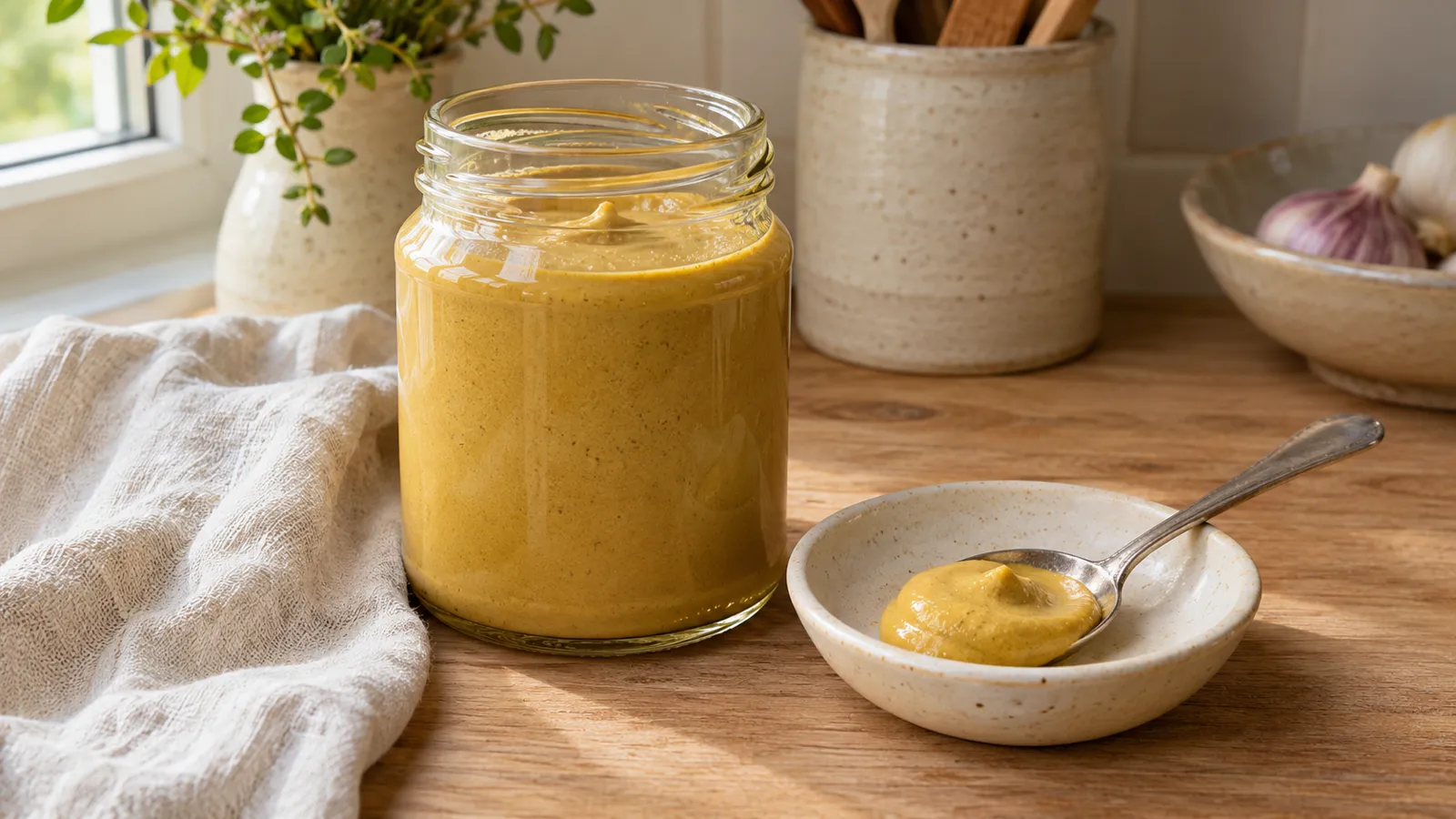
If you want the one-line answer, it's spicy brown mustard, the simplest prepared-mustard exchange for a flexible dish. The longer answer starts with what Dijon is doing. It contributes more than a sharp bite: in a dressing or pan sauce, it adds its own flavor, body, and role in the mixture, so a substitute that tastes pungent can still give you a noticeably different texture.
Recipe developer Stephanie Ganz recommends roughly equal amounts of spicy brown mustard for Dijon in uses including vinaigrettes, glazes, and sandwich spreads, and I'd follow her there. Read the ingredient list for added sweetness, wine, vinegar, and other seasoning. A honey mustard product solves a different flavor problem from an unsweetened prepared mustard, as your salad will quickly point out.
For vinaigrette, mustard also helps hold the dressing together
Mustard helps disperse oil through the watery vinegar portion, so it contributes more than heat. Whisk the mustard into the vinegar and other seasonings, then add the oil gradually while whisking. If the dressing separates while it sits, whisk or shake it again before adding it to the salad. A squeeze of lemon can restore tang, but it doesn't supply mustard's body or emulsifying role.
I'd use spicy brown in a honey-mustard vinaigrette when its coarser texture is acceptable. Whole-grain works well for a visibly rustic potato-salad dressing. For a smooth cream sauce served with pork, I'd choose a smooth prepared mustard if appearance matters, since whole seeds will remain visible. Yellow mustard is more at home in deviled eggs or a casual sandwich sauce, where its color is welcome.
Whole-grain mustard is a texture choice
Whole-grain mustard can be attractive in a rustic dressing or a sauce where visible seeds are welcome, and it's less useful when you need a completely smooth finish. I'd make that call before whisking it in, because the seeds cannot be wished away after the sauce is plated.
Start with the same measured amount when the dish is flexible, then assess the mixture as a whole. The distribution of seeds and paste differs between products, so a tablespoon of one mustard doesn't promise the same smooth body as a tablespoon of another.
Yellow mustard makes a different statement
Yellow mustard can be useful when its brighter color and familiar tang fit the meal. It may look and taste out of place in a pale, delicate sauce. I'd start conservatively, since sharing a squeeze bottle with its cousins is no reason to pour in the full quantity.
A casual sandwich sauce is where I'd let yellow mustard in, well before a dish chosen specifically for Dijon's flavor. Judge the swap against the meal you want, not by whether the ingredient is technically mustard.
Dry mustard needs a method
Dry mustard is powder, while Dijon is a prepared condiment with liquid and seasoning. Do not exchange equal spoonfuls. The McCormick ground mustard guide discusses their different uses, and its advice shouldn't be reversed into a universal prepared-mustard formula.
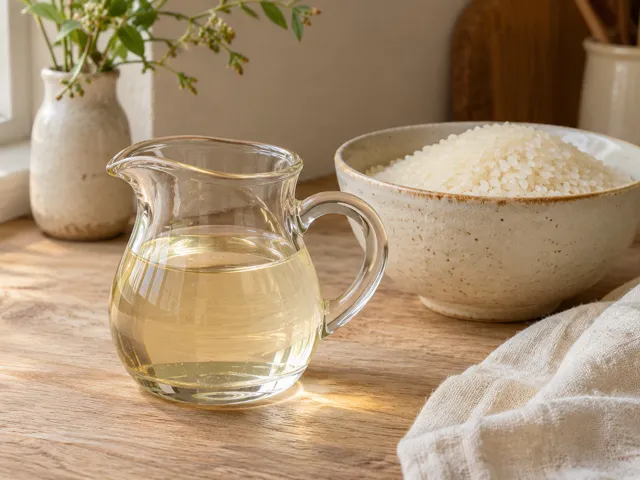
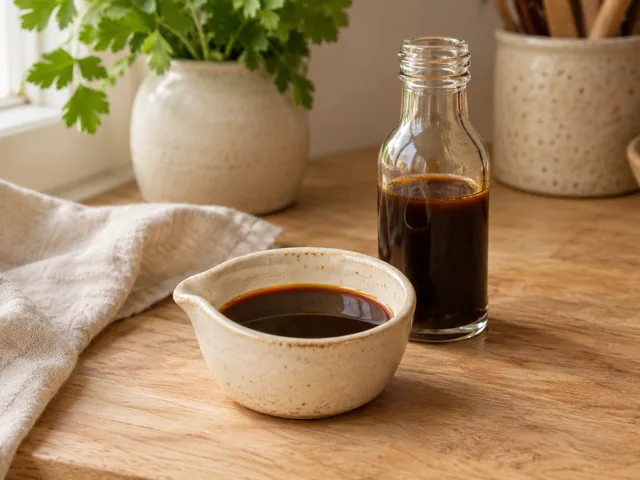
If powder is all you have, Ganz provides a specific mayonnaise-and-mustard-powder alternative with vinegar and seasoning. It produces a creamy condiment rather than plain Dijon, so I'd use the full linked method and leave dry-to-prepared ratios alone. For acidity changes, see the rice vinegar guide. For additional savory seasoning, see Worcestershire alternatives. I'd make those adjustments one at a time so you don't overcorrect the whole dressing.
If mustard itself is excluded for an allergy, another mustard is not a solution. Choose a mustard-free preparation suited to that need, because removing one named style does not remove the ingredient family.
FAQ
What is the easiest Dijon substitute?
Spicy brown mustard is my first starting choice for a flexible sauce or dressing, using an equal measured amount and then assessing the result. Expect a different spice profile. For a delicate preparation where Dijon defines the flavor, keep the original ingredient or choose a supported alternative method.
Can whole-grain mustard replace Dijon?
Often in a flexible dish, but it changes texture and appearance. Visible seeds can work well in a rustic dressing and poorly in a smooth sauce. Decide whether that difference is acceptable before adding it, and do not assume every whole-grain product supplies the same amount of mustard paste.
Can I use yellow mustard instead?
Yes when its flavor and color suit the dish, starting with less and adding more as needed. It is a deliberate variation rather than an identical replacement. I would be more comfortable using it in a casual sandwich sauce than in a delicate pale sauce built around Dijon.
Can mustard powder replace prepared Dijon?
Powder is more concentrated and lacks Dijon’s liquid, so equal spoonfuls are a poor swap. It can season a dry rub directly, or form part of a prepared alternative. The linked Stephanie Ganz method combines it with mayonnaise, vinegar, and seasoning; that creamy option is suited to a different texture than plain Dijon.
What can I use if I have a mustard allergy?
Do not switch to another mustard style or mustard powder. Choose a mustard-free preparation and check the labels of any condiments involved. A flavor substitution chart is not an allergen guarantee, and removing the word Dijon from the ingredient list does not make a mustard-containing product suitable.