Does Sugar Go Bad? Hard Lumps vs. Contamination
Dry, uncontaminated granulated sugar has an indefinite shelf life; hard lumps alone do not mean it has spoiled. Keep it sealed against moisture, odors, and pests, and distinguish plain sugar from syrups or mixtures with other ingredients.
| Sugar condition | Meaning | Decision |
|---|---|---|
| Dry granulated sugar, well stored | Long-lasting pantry ingredient | Use if uncontaminated |
| Hard dry lumps | Usually a handling or moisture issue | Break up if otherwise sound |
| Mold, pests, wet contamination | Storage has failed | Discard |
Hard is not the same as spoiled
A bag of sugar that has turned into a rock looks like a disaster, and I'd start by asking how it got that way. A solid lump can make sugar inconvenient without making it unusable. A dry container with hard sugar inside is one situation; a bag that absorbed a spill or sat under a leaking shelf is another, and I wouldn't treat them as the same softening problem.
I'd inspect the container before attacking the contents. If the history is sound, what's left is a mechanical question: can you measure the sugar accurately for what you're making? If the history includes contamination, replace it. No rescue gets elaborate enough to fix that, and a bag of sugar is a poor thing to get sentimental about.
Separate granulated sugar from brown sugar
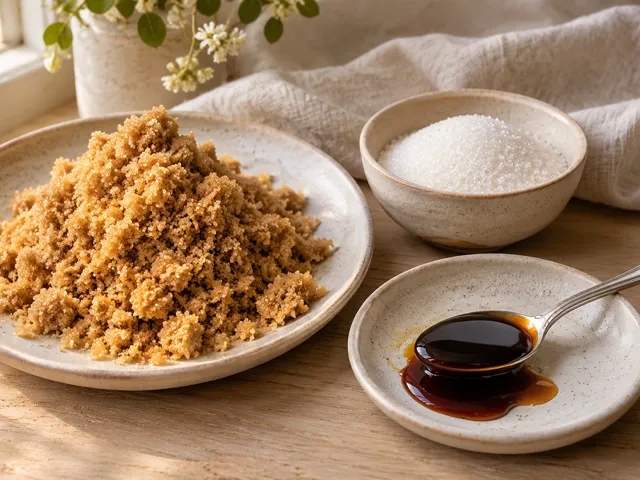
Brown sugar hardens when it loses moisture. White sugar can cake when it picks up moisture and then dries. Those two problems need different handling. Brown sugar also brings molasses flavor to a dish, which makes a hardened bag a poor excuse for casually swapping equal measures when the recipe depends on packed brown sugar.
See the brown sugar substitution guide when you need an actual replacement. For an important bake, I'd settle both the ingredient and the measurement before starting, because a cup full of large lumps is a different measure from a properly prepared cup of sugar.
How to soften sound brown sugar
Domino's microwave method uses a microwave-safe container loosely covered with a damp white paper towel. Heat on high and check every 30 seconds, handling it carefully because the sugar becomes hot. I'd soften only what you need and measure it promptly, since it can harden again as it cools. This method adds moisture back to otherwise sound sugar. It's no cleanup method for mold or a spill.
For clean, dry white-sugar lumps, break up small clumps with a spoon before measuring. Keep the damp-towel treatment away from wet granulated sugar: it won't make that sugar dry and free-flowing, and Domino notes that moisture-damaged granulated sugar cannot be adequately restored to its original texture. If accurate measuring or creaming matters and the bag has become one hard block, I'd replace it. That's the more dependable baking choice, and I think a new bag is easier to live with than a batter you can't measure.
Use a clean, dry, odor-resistant container
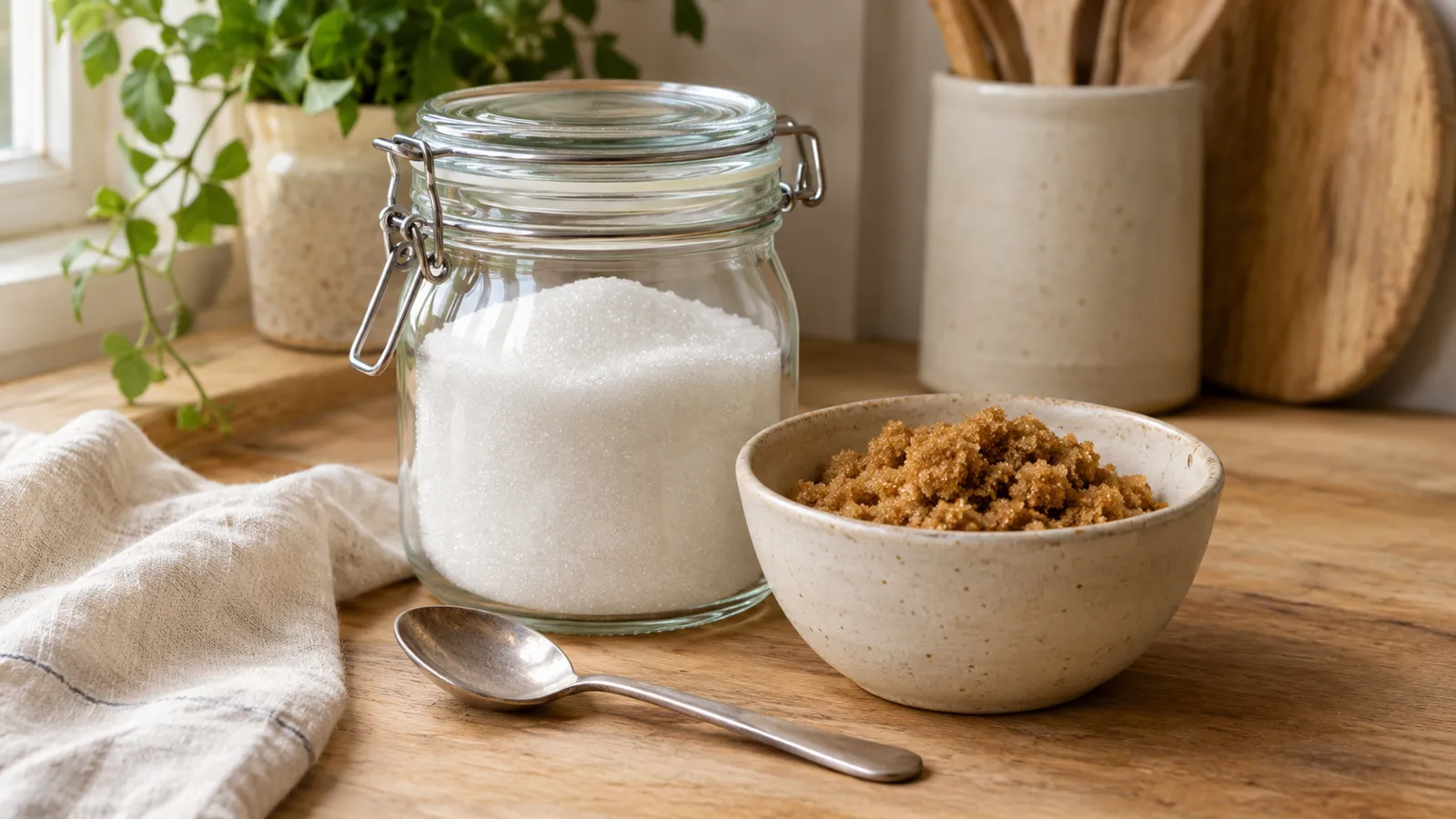
Utah State Extension recommends a cool, dry place and packaging that protects sugar from moisture and odors. Keep it away from strongly scented products. A pantry container should be food-safe, close securely, and stay dry when refilled.
I'd use a clean, dry scoop and retire the spoon that just touched coffee, fruit, or batter. That tiny habit is worth more than any debate over an arbitrary expiration day. If you decant sugar, keep the product name with it, so powdered, superfine, and granulated sugar stay distinct instead of becoming interchangeable white powders.
Do not transfer the rule to every sweet product
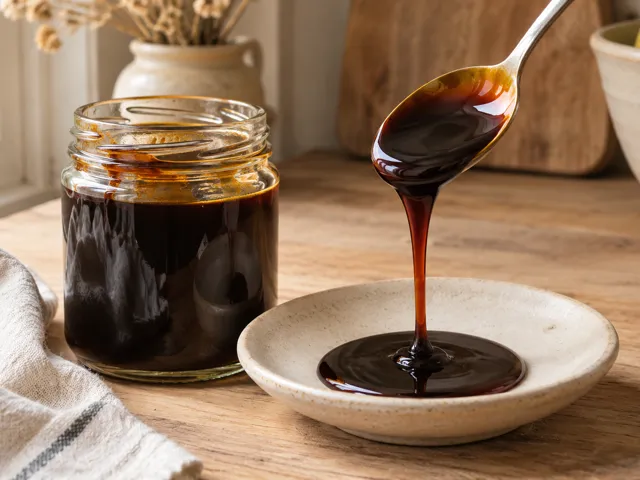
The indefinite-storage statement concerns properly stored sugar, and I'd keep it on a short leash. Homemade syrup, fruit mixed with sugar, frostings, and opened commercial syrups have additional ingredients and their own storage instructions. Follow those instructions. Sweetness is no evidence of shelf stability.
For a different sweetening ingredient, the molasses guide explains why flavor and liquid content matter. I like a pantry shortcut that solves one specific problem. The trouble starts when a familiar storage fact gets promoted to a rule for everything in the dessert cupboard.
If mold, insects, an unexplained wet patch, or contamination is present, discard the affected sugar. Scraping off the top layer may leave something that looks clean, but it can't reconstruct the original storage conditions, and I wouldn't bake with a bag that has that kind of past.
FAQ
Does sugar expire on the printed date?
For dry, properly stored granulated sugar, a best-quality date is not a sudden safety cutoff. The condition and history of the sugar matter. A sealed, uncontaminated container is different from a damp or pest-affected package, whatever either date says. Do not ignore contamination because the date is still future.
Can I use hard brown sugar?
Yes, if it hardened from drying out and remains uncontaminated. Put the amount you need in a microwave-safe container, cover loosely with a damp white paper towel, and check every 30 seconds on high, as Domino advises. Handle the hot sugar carefully and measure it promptly before it hardens again.
Should I keep white sugar in the refrigerator?
A cool, dry pantry container is the usual choice. Refrigeration can introduce moisture problems when containers are opened and closed. I would focus on a secure lid and a dry scoop instead of chilling plain granulated sugar without a specific reason or product instruction.
Is powdered sugar the same for storage and baking?
Powdered sugar is a different product and often includes starch. Follow its packaging guidance, protect it from moisture, and do not substitute it directly for granulated sugar just because both store in the pantry. Texture and added ingredients affect how it behaves in a recipe.
Can I remove insects and use the rest?
Discard contaminated sugar rather than treating a sieve as a food-safety solution. Inspect nearby pantry products and clean the storage area before replacing it. A well-sealed container helps prevent a repeat, but putting contaminated sugar into a clean jar does not make the contents sound.