Can You Freeze Bread?
Yes. Freeze fresh bread in airtight freezer packaging, ideally in usable slices or portions. Illinois Extension suggests about 3 months for best quality; thaw only what you need.
| Bread plan | Before freezing | When needed |
|---|---|---|
| Toast | Slice and separate portions | Use toaster instructions for frozen bread |
| Whole loaf | Cool fully and wrap well | Allow enough thawing time |
| Rolls or baguette | Divide into meal portions | Reheat appropriately for the product |
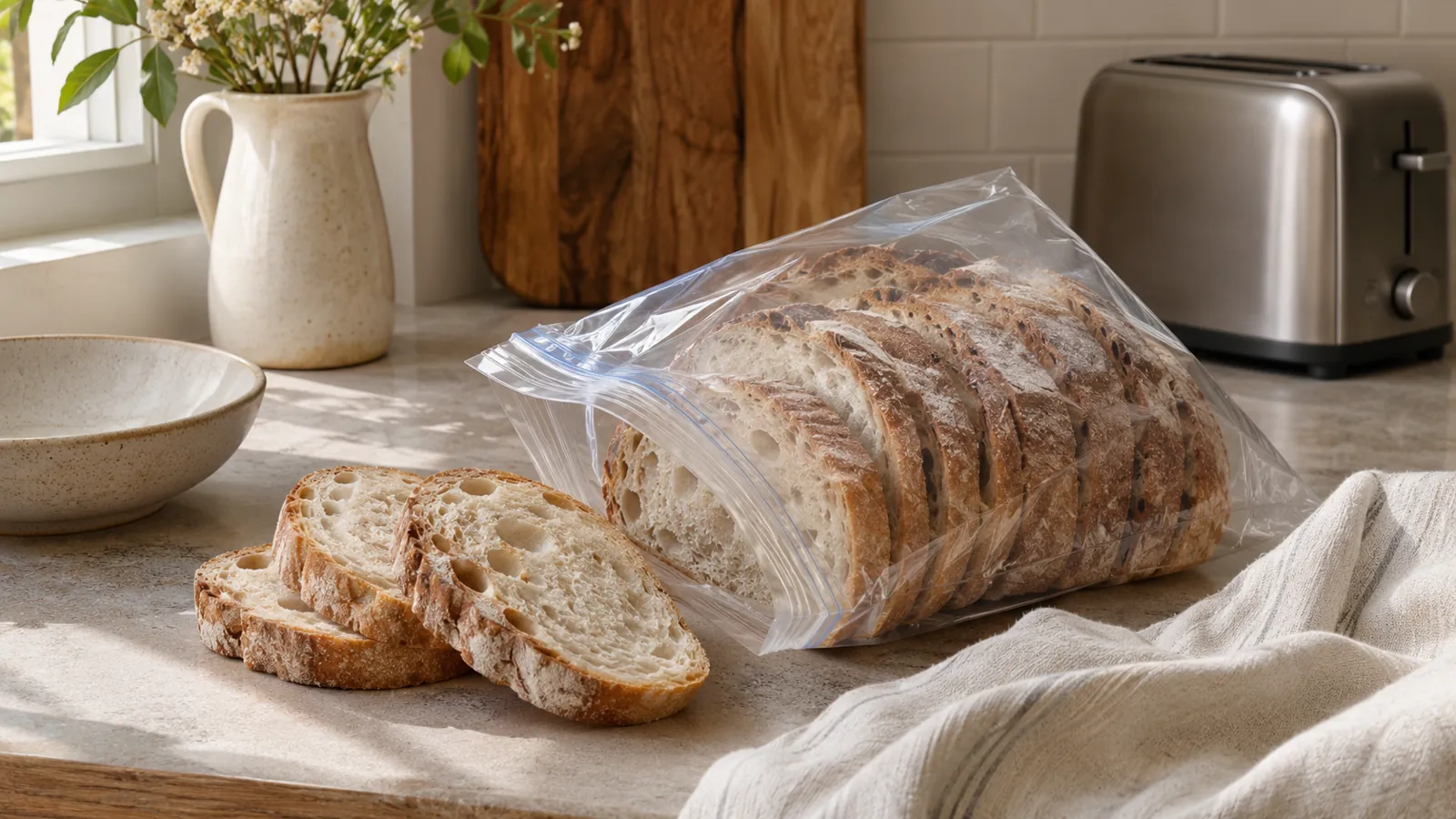
Freeze the portions you will actually use
Sliced, if toast and sandwiches are the plan. That's my pick for breakfasts because you pull out two pieces and leave the rest of the loaf alone. A wrapped half-loaf makes more sense for a shared meal. Either way, decide before the bag goes in, because the useful package size is whatever fits the next meal you can picture.
Freeze the bread you still want to eat
A freezer does its best work on a loaf that's still good, well before it turns stale or moldy. If half the loaf regularly goes unused at your house, I'd stop waiting to see what happens and portion it soon after you buy it, or as soon as a homemade loaf has cooled. Freeze the last sad slices and you've preserved the disappointment, nothing more.
The three-month reference is a quality target, and I'd be wary of reading it as a promise that every loaf tastes freshly baked until a particular day. Recipe, packaging, freezer conditions, and the way you use it all affect the result. Keep the bread identifiable so older portions get eaten first.
Choose slices, halves, or rolls for your habits
For one or two pieces of toast, slice before freezing and spare yourself a fight with a solid loaf. Separate the portions enough that you can remove what you need without thawing everything. For a shared dinner, a half-loaf or a group of rolls may be more convenient, and that's the route I'd take in a household that mostly eats bread with company.
Think about the appliance too. Very thick frozen slices may not fit a toaster, which is a silly way to lose breakfast. A baguette divided into meal-sized sections is also easier to handle than one long frozen piece that outgrows your chosen reheating setup.
Protect against air and crushing
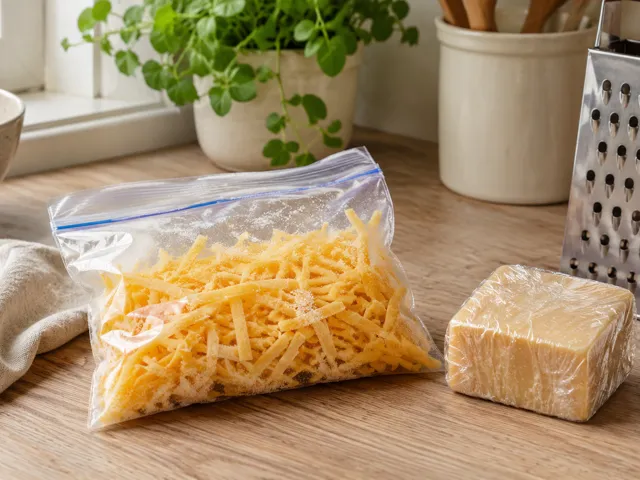
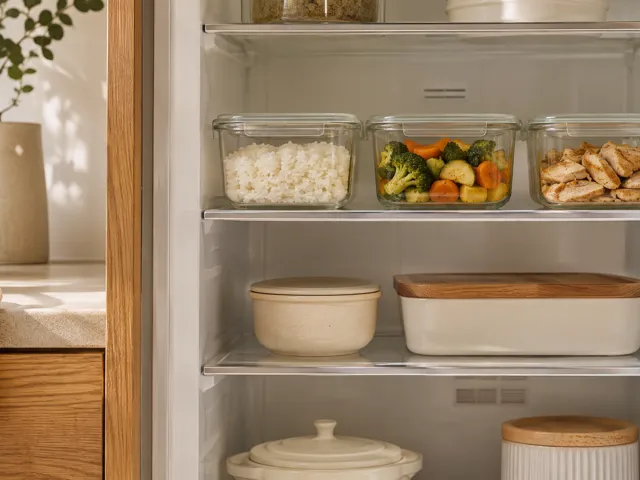
A loose bakery paper bag is charming on the walk home and a poor bet in a freezer. I'd use a heavy-duty freezer bag or appropriate freezer wrapping, limit excess air, and stop short of crushing a soft loaf. Label the contents and freezing date before the package becomes awkward to write on. The same label-and-date habit applies when you freeze cheese or pack cooked leftovers.
For homemade bread, let it cool fully before packaging for the freezer, since warm bread enclosed too early can create unwanted condensation. That patience belongs to plain loaves only. Cooling a plain loaf for packaging is different from leaving a perishable filled sandwich or cream-filled product unrefrigerated.
Thaw according to the finished use
A slice intended for toast may be usable from frozen if your toaster instructions support it, and to me that's the whole appeal of freezing slices. Keep an eye on its progress, since the usual room-temperature setting may behave differently. Keep unsuitable wrappers out of the appliance.
A whole loaf needs more planning. Let it thaw in appropriate wrapping, then refresh it using a method suited to the bread if you want to. I'd be careful with crisp-crust tricks: what suits a plain crusty loaf is no universal instruction for enriched loaves, glazed bread, or products with perishable fillings.
What freezer burn does and does not tell you
Dry, tough patches can indicate moisture loss and poor packaging. That's a quality problem, and it tells you only so much about the bread's storage history. Better wrapping can reduce future drying. It cannot remove mold that existed before freezing.
If bread is moldy, do not simply freeze it for toast later. For bread, visible mold can be only part of the problem, so discard moldy bread instead of cutting off a small spot and assuming the rest is suitable.
A loaf for two breakfasts and a later dinner
If you expect to use only a few slices before the bread loses its appeal, set those aside and freeze the remainder while it's still good. Separate the slices enough to retrieve them conveniently, protect them from air, and label the package. For a dinner centerpiece, I'd wrap a suitable chunk separately, since a bag of loose slices makes a poor stand-in for a loaf on the table.
A loaf already showing mold stays out of this plan. Don't freeze it and plan to trim it after thawing: the freezer is a storage option for suitable bread, and it has no way of making moldy bread usable. Freezer dryness is a different matter. A dry but otherwise appropriately handled slice may suit toast or a recipe calling for dry bread, whereas visible mold calls for discarding the bread under the cited guidance. Dry toast is a compromise I'd accept. Mold is where I'd stop negotiating.
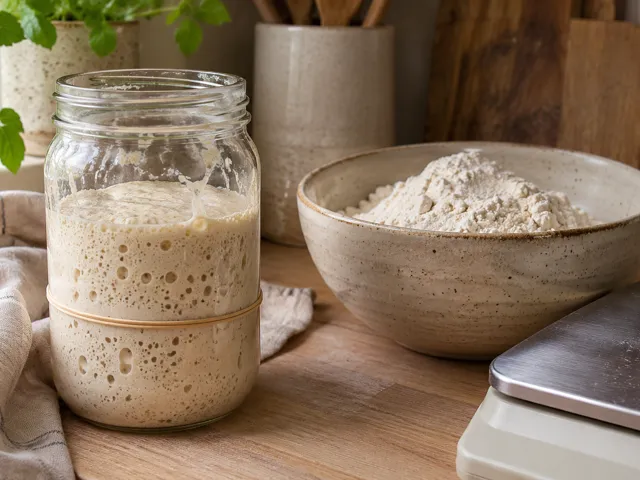
If you bake your own loaves to freeze, the sourdough calculator handles the math for a batch, counting the starter’s flour and water so the hydration you pick is the hydration you get.
FAQ
Should I slice bread before freezing?
Slice it first if you normally use a slice or two at a time. That lets you remove a practical portion without thawing the whole loaf. For a shared meal, larger sections may be more useful; choose the shape that matches how the bread will actually be served.
Can I toast it straight from frozen?
Often, if your toaster and the bread are suitable. Follow the appliance instructions and check progress, especially for thick slices. Do not place packaging in the toaster or assume every bread product, filling, or topping is appropriate for the same frozen-toast method.
Can I freeze a loaf in a paper bag?
A loose bakery paper bag does not provide the same protection as suitable freezer packaging. Use a heavy-duty freezer bag or appropriate wrapping to limit air exposure, and avoid crushing the loaf while removing excess air. Mark the date so it remains easy to use.
Does freezing kill mold on bread?
Do not use freezing to rescue moldy bread. Start with sound bread and discard a moldy loaf rather than planning to toast it later. Freezing is a storage tool, not a reliable treatment for food that was already unsuitable to eat.
Is three months a strict safety deadline?
The cited freezer period is a best-quality guide. It assumes appropriate packaging and freezing conditions and does not guarantee identical texture for every bread. Use the date to manage quality, while treating mold, perishable fillings, and any interrupted storage history as separate questions.