Butter Substitute: Match the Fat to the Method
Choose a butter substitute by the method: baking margarine may suit creaming; liquid oil belongs in recipes that allow it. There is no single swap that preserves the texture of cookies, cakes, pastry, and sauces.
| Butter’s role | Practical route | Avoid |
|---|---|---|
| Creamed with sugar | Baking-suitable block substitute | Assuming liquid oil creams |
| Melted into batter | Recipe that specifies an oil swap | Universal volume conversion |
| Cold pastry layers | Pastry-tested solid fat alternative | Pouring oil into a butter method |
| Salted vs. unsalted | Adjust recipe salt deliberately | Ignoring salt already in the fat |
Read the mixing instruction first
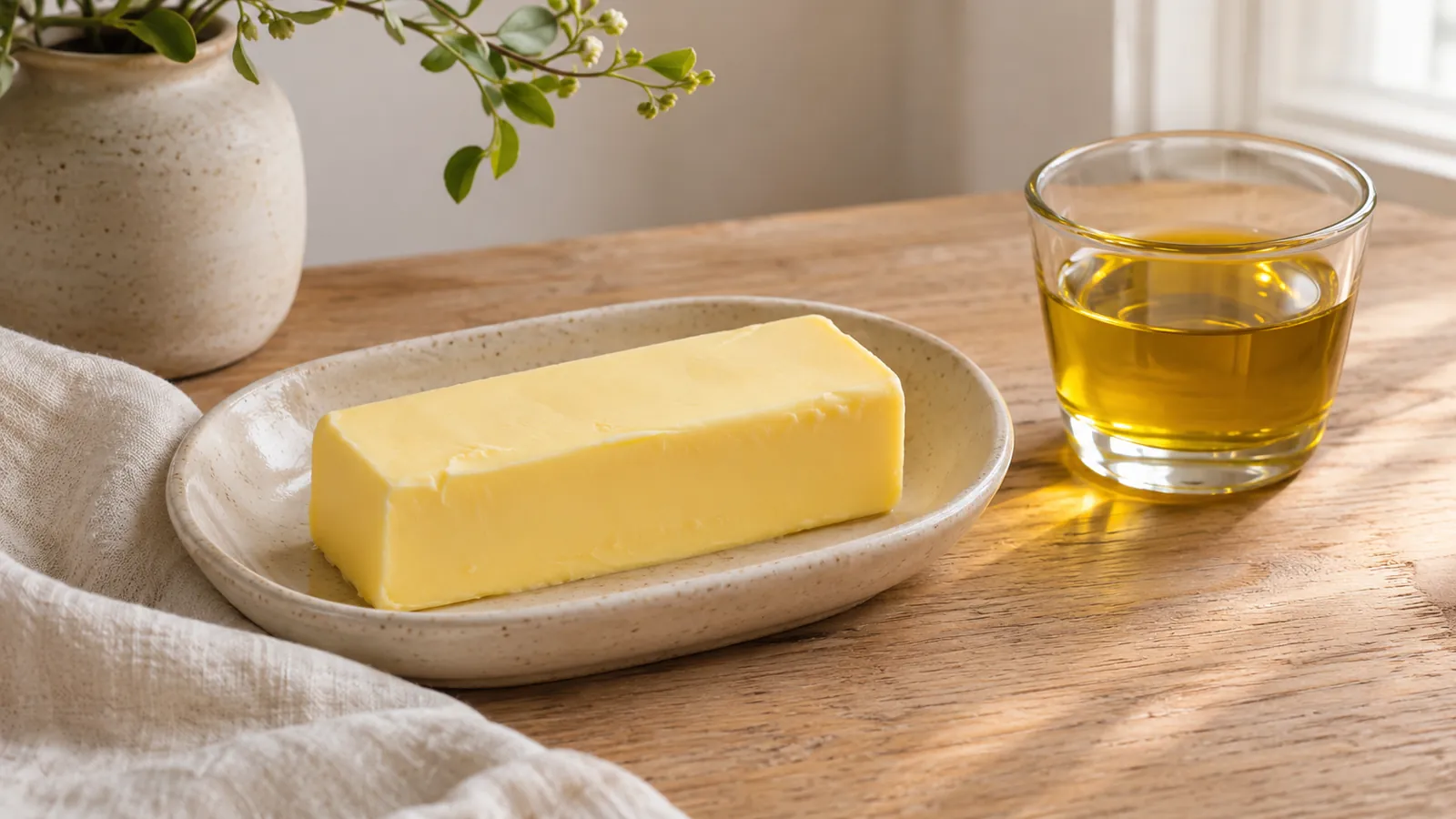
Butter can be creamed, melted, or folded, and those three verbs decide everything that follows. For creaming with sugar, I'd pick a baking block whose manufacturer supports that use. For cold butter folded into pastry, I'd keep the specified fat or choose another recipe. Oil gets a look only for a compatible melted-fat batter, because being a fat doesn't make it interchangeable at every stage of mixing.
The method tells you what butter is doing
Read past the ingredient list. Butter beaten with sugar is used differently from butter melted into a brownie mixture or kept cold in pastry, and replacing the ingredient while leaving an incompatible method in place is a common reason a substitution fails.
Write the instruction right beside the amount: creamed, melted, rubbed in, folded, or finished into a sauce. It takes a few seconds and turns a vague worry into a specific question. Whatever suits one of those tasks still has to earn its way into the others.
For creaming, choose a product intended for baking
A baking margarine or plant-based block may give you a workable solid fat, so start with its label and the recipe guidance. I'd leave the tub in the fridge: a soft spread designed for toast can contain a different proportion of water and may not behave like a baking block.
Follow the product's temperature guidance, too. Very cold fat is difficult to mix evenly, while melted fat cannot reproduce a creaming step. If the recipe relies on beating butter and sugar until fluffy, switching to oil takes a different formula or method. More beating won't get you there, however long you let the mixer run.
Melted butter and oil still are not identical
Both can enter a batter as liquids, which makes an oil substitution more plausible in some recipes. Butter also contributes water and milk components, though, while ordinary cooking oil is fat, so flavor, moisture balance, and the cooled texture may change.
Use the ratio given by the recipe or a complete manufacturer method. Published substitutions differ because they solve different problems, and averaging two ratios won't create a more accurate third one. If no reliable option exists, I'd choose a recipe developed with the fat you actually have and skip the math entirely.
Cold pastry is a separate problem
Pie dough and laminated pastry depend on how solid fat is distributed and how it behaves during rolling and baking. Liquid oil can't simply be cut into flour the way cold butter can, so this is the swap I'd give up on fastest.
An oil-based crust can be a valid recipe in its own right, provided you follow that recipe's mixing and handling instructions from the beginning. For laminated dough, look for a formulation that specifies an appropriate solid substitute. General cake advice has nothing useful to say to a croissant.
Account for salt and flavor
When swapping salted and unsalted butter, check the recipe's salt amount. King Arthur's recipe-success guidance uses an adjustment of about one-quarter teaspoon of salt per eight tablespoons of butter. Brands vary, so I'd treat that as a practical adjustment and leave chemistry out of it.
Oil flavor matters too. A strongly flavored oil can be noticeable in a plain cake, while it may suit a savory loaf. I'd judge the oil by the finished dish, since having the right consistency is only part of what you're asking from it.
A cookie dough and a banana bread need different decisions
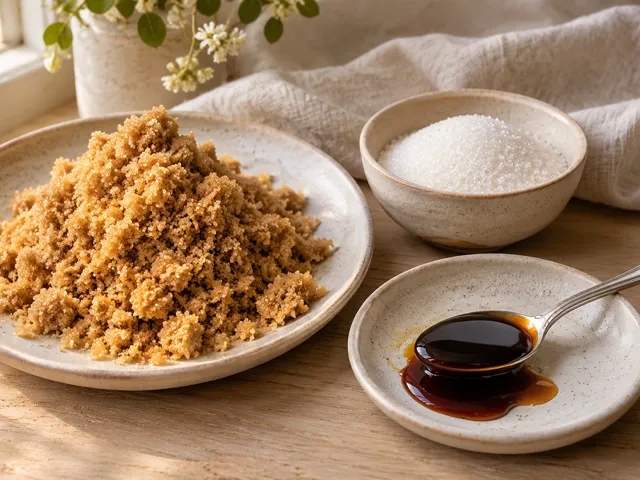
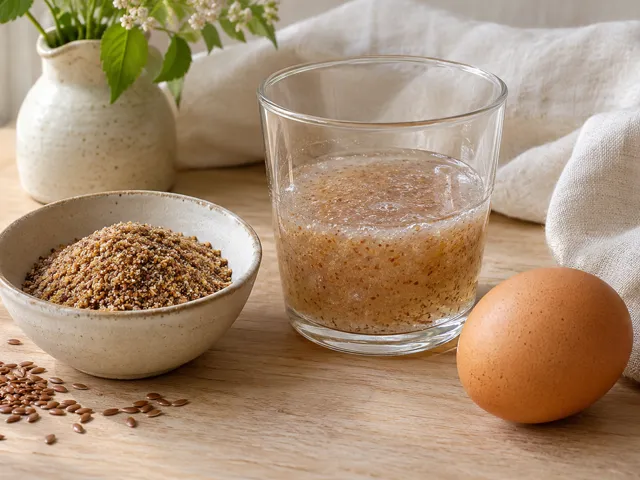
Imagine you have oil but no butter. Your cookie recipe begins by beating softened butter and sugar; your banana bread recipe offers an oil option. I'd make the banana bread. The oil alternative already fits its method, whereas the cookie change would remove the solid fat used during creaming, and more mixing cannot restore that missing step. If the same cookie recipe is also short on another ingredient, see the brown sugar substitute and egg substitute guides.
If the only butter on hand is salted, you're in much better shape, because that's a narrower change than replacing butter with oil. For a recipe using eight tablespoons of unsalted butter, the cited quarter-teaspoon salt adjustment gives you a practical starting point. Reduce added salt when using salted butter, add it when going in the opposite direction, and account for the recipe's existing amount. Do not subtract more salt than the recipe contains.
FAQ
Can I replace butter with oil one-to-one?
Only where a complete recipe or substitution method supports that amount. A melted-butter batter may tolerate oil, but a creaming or pastry method has different requirements. There is no universal ratio that preserves every butter-based recipe.
Can I use a spread from a tub?
Check whether it is intended for baking and whether the recipe accepts it. Spreads differ in water and fat content. A product that spreads easily on toast may give a different texture from a solid baking block.
Does vegan butter work in every recipe?
No single product is guaranteed to behave identically in every method. Check the label, the recipe, and whether the fat must be creamed or kept in layers. Also verify dietary suitability from the ingredients rather than the product name alone.
How do I swap salted and unsalted butter?
Account for the salt already present. A practical baking reference uses roughly one-quarter teaspoon of salt per eight tablespoons of butter, but brands differ. In a salt-sensitive recipe, use the specified butter or product-specific information.
What would you use for cookies if there is no butter?
For cookies made by creaming, I would use a baking-suitable solid substitute with explicit product guidance, or choose an oil-based cookie recipe. I would not pour oil into the original method and expect identical spread or texture. The mixing instruction is the deciding clue.