Gruyere Substitute: Choose Flavor and Melt
Use Comté as an equal-weight starting substitute for Gruyère in a gratin or cheese topping. Emmental or a Swiss-style cheese can suit a milder result; choose by melting behavior and flavor rather than treating every firm cheese as equivalent.
| Alternative | Starting proportion | Tradeoff |
|---|---|---|
| Comté | Equal weight | Related nutty direction; age matters |
| Emmental or Swiss-style cheese | Equal weight | Usually milder; flavor changes |
| Jarlsberg | Equal weight in a flexible gratin | Milder Swiss-style direction |
| Parmesan alone | Not a direct equal replacement | Drier and more concentrated |
Pick the substitute for the job
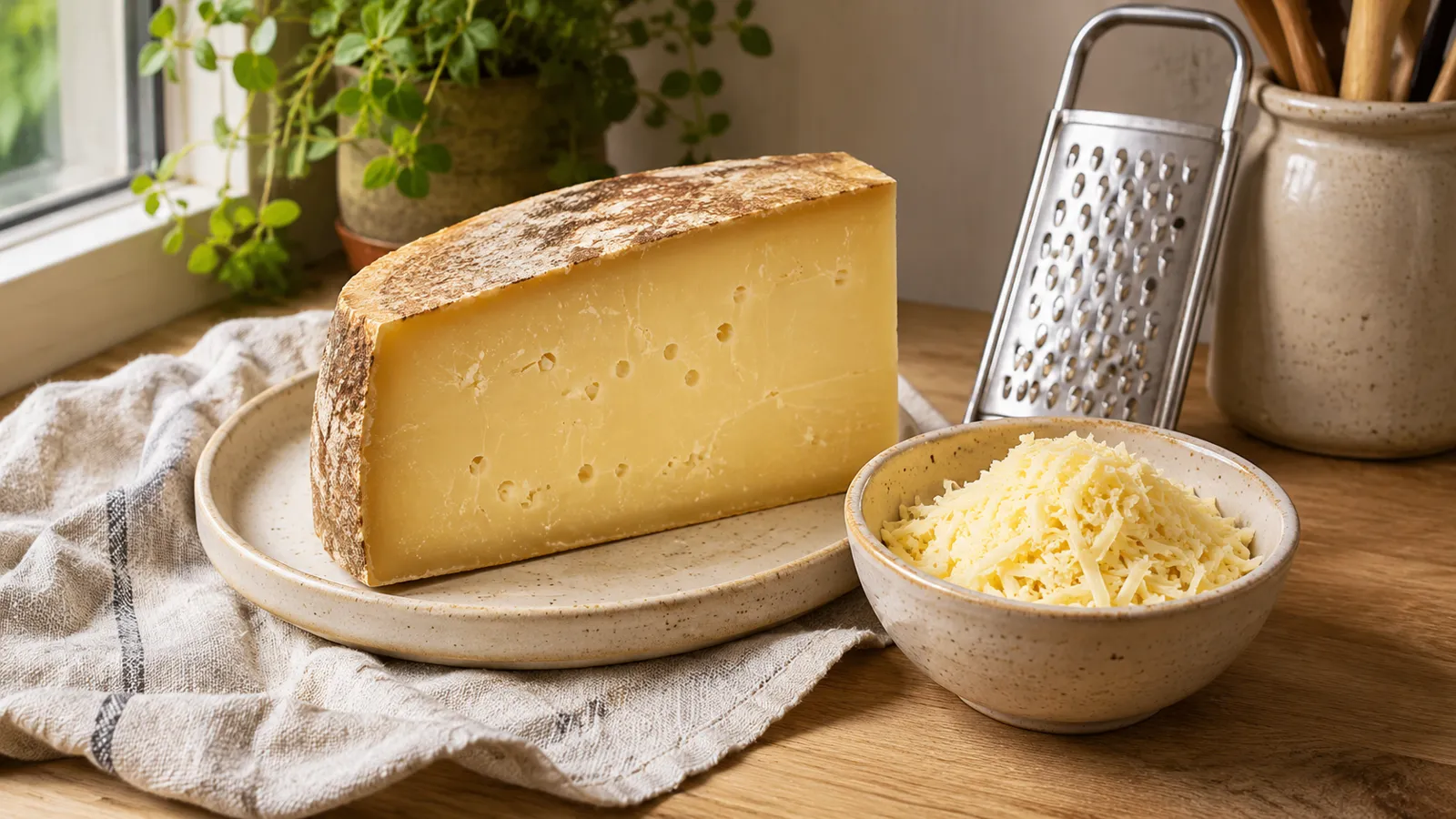
Ask what the cheese has to do before you ask what it tastes like. A topping can accept a slightly different melt, while a fondue needs the whole mixture to stay cohesive, and a sandwich falls somewhere in between. For a flexible dish, I'd head for Comté because it keeps you closest to the same culinary direction. When a milder character suits the meal better, I'd pick Emmental and enjoy the change.
Cheese varies with age and producer, and a very mature substitute can be drier and more assertive than a younger version of the same cheese. So I'd shop with the target in mind: the Emmi description of Gruyère helps establish the mature, nutty character you're replacing.
My choices for three common dishes
- French onion soup: I'd go with Comté for a pronounced cheese topping, grated evenly over the bread. Emmental makes more sense when you want the onions and broth to lead. Judge the melted coverage along with the color, since a few dark specks are no proof the whole topping has melted.
- Potato gratin: Emmental or Jarlsberg is the milder direction, and a reasonable one when potatoes are carrying the dish anyway. Wyoming Extension's gratin guide names both among Gruyère alternatives. Keep the original cheese weight and distribute it as the dish specifies.
- Fondue: I'd commit to a complete Comté method and save the improvising for another night, because the liquid and the cheese have to be worked out together. The Comté association's official fondue is a real route to that version, with its own cheese, wine, and handling instructions.
A cheese bought for snacking may be much older and drier than the one a cooking formula had in mind, so if the counter offers several ages, ask for a piece intended for melting. Save the intense aged wedge for a few finishing shavings, where it can show off, and let something else do the melting.
For a sandwich, access and texture usually matter more than an exact flavor match. I'd use Emmental if it's already in the house, slice it evenly, and let the bread brown while the cheese warms. Piling on extra to make up for a milder flavor tends to change the sandwich more than the substitution did.
Use weight when possible
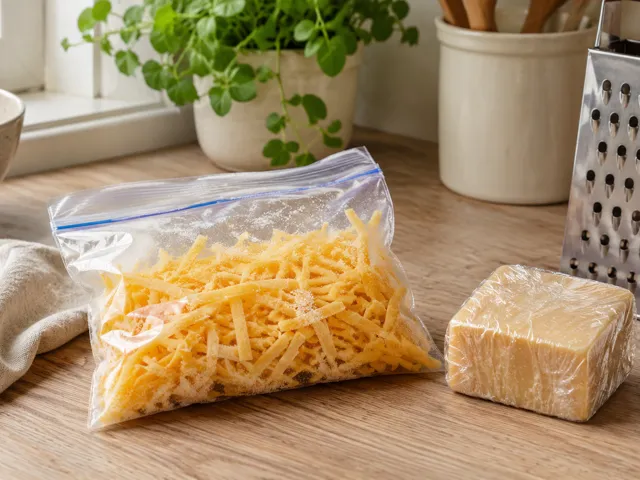
Replace the cheese by weight. Loosely filled cups of differently grated cheeses tell you very little, because a fine grating packs differently from large shreds. If the original calls for four ounces, begin with four ounces of a suitable replacement and spare yourself guessing which heap looks equal.
Grate to suit the job, too, since a large chunk and a fine shred disappear into a sauce at different speeds. You're already changing the cheese. I'd leave the amount and the shred size where the recipe put them, so that's the one change you have to account for.
Be cautious with very dry cheeses
Parmesan can contribute concentrated flavor, but replacing all the Gruyère with it changes moisture, saltiness, and texture. I wouldn't ask a large equal-weight quantity to behave like a melting cheese. A preparation designed for Parmesan is the better home for it. Fresh mozzarella creates a different problem by bringing a different moisture balance.
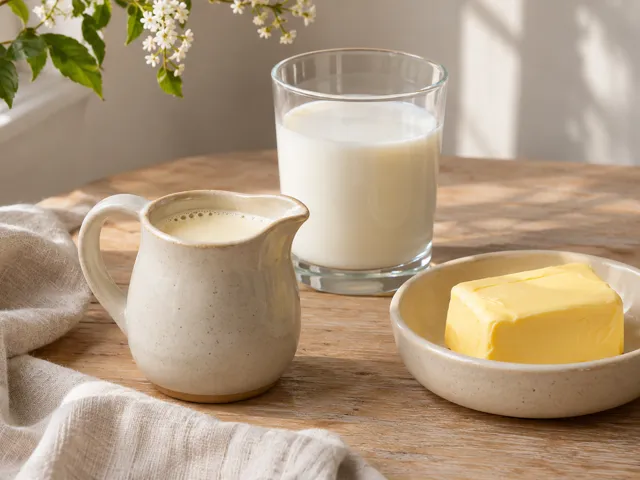
For fondue or a smooth cheese sauce, follow a formula that names your chosen cheese. Cranking up the heat is no route to stability, since excessive heating can make the mixture less cooperative. If the cheese was frozen, see cheese freezing guidance for texture changes. And for the sauce’s dairy component, the cream guide helps keep that second substitution separate, which is where I'd want it.
FAQ
What is the closest Gruyere substitute?
Comté is my starting choice for a similar culinary direction in a flexible gratin or topping. Use equal weight and consider the age of both cheeses. Closest does not mean identical: producer, maturity, and the dish’s demands can matter as much as the name on the label.
Can I use Swiss cheese?
A Swiss-style cheese or Emmental can work when a milder flavor is acceptable. Start with equal weight in a flexible melted dish and judge the result in context. A generic Swiss label does not promise the same maturity or flavor intensity as the Gruyère originally specified.
Can Parmesan replace all the Gruyere?
I would not make that a general recommendation. Parmesan is drier and more concentrated, so a full equal-weight replacement changes more than flavor. Use a preparation designed for Parmesan, or keep it as a deliberate flavor addition within a formula rather than treating it as the same melting ingredient.
Can I use a substitute in fondue?
Choose a fondue formula that supports the alternative cheese. Fondue depends on the behavior of the whole mixture, and a substitution that works as a browned topping may not remain smooth in a pot. Do not use a casual equal-weight suggestion as a guarantee of emulsion stability.
Is Gruyere always suitable for vegetarians?
Check the product’s rennet and labeling rather than assuming every cheese fits the same dietary requirements. The cited Emmi product uses animal rennet. A substitute should meet the eater’s needs as well as the dish’s texture and flavor, so read the replacement label too.