Does Flour Go Bad? Freshness, Storage, and Safety
Yes, flour can go bad: moisture, insects, mold, and rancid odors are reasons to discard it. Whole-grain flour needs closer attention than refined white flour, and even fresh-looking flour is a raw ingredient that should not be tasted uncooked.
| What you find | What it may mean | Action |
|---|---|---|
| Rancid or musty odor | Deterioration or poor storage | Discard |
| Insects, webbing, mold, or damp clumps | Contamination | Discard and inspect the cupboard |
| Ordinary appearance | No visible warning | Still cook before eating |
How long does flour keep its quality?
| Flour | Cool, dry pantry | Cold storage |
|---|---|---|
| White flour | 6–12 months | Refrigerate or freeze if used slowly |
| Whole-wheat flour | About 3 months | About 6 months in the freezer |
The white-flour window comes from Pacific Northwest Extension's storage chart; the whole-wheat figures are from the Whole Grains Council. Read both as quality estimates under suitable storage. Neither one can certify a particular bag's safety. And pouring flour into a handsome new canister resets nothing: count the time you already had it.
If you bake every week, a sealed pantry container is all you need, and I'd leave it at that. For the occasional whole-wheat loaf, I'd freeze the flour in portions so the oils spend less time in a warm cupboard. The cost is a little freezer space and some planning ahead. Keep the bag's best-quality date as extra context, too, since different milling and packaging conditions can produce different manufacturer recommendations.
Start with the kind of flour
All-purpose and whole wheat may share a shelf, but I'd treat them as two separate pantry items. Whole-grain flour retains more of the grain's components, including oils that can deteriorate. That's why I'd buy smaller bags of any flour you only use now and then. A bulk bag looks like a bargain right up until its generous date has talked you into keeping it too long.
Where the bag lives counts just as much. A warm cupboard over the stove, a humid room, and an intact package in a cool pantry are three different situations. The printed date is useful context, but it knows nothing about the moisture that got in after you opened the bag.
Inspect without tasting raw flour
Open the container and look for insects, webbing, mold, or dampness, then check for an unusual odor. Rancidity can smell like old oil, stale nuts, paint, or putty rather than the mild grain smell of fresh flour. A musty smell suggests a different storage problem, but either one is reason enough to discard it. Discard flour that shows any of these warning signs. Don't sift out the insects or bake through a visibly spoiled ingredient; neither is a recovery plan. Clean and inspect the storage area before a new bag moves in.
Never taste flour to check whether it's still good. The FDA explains that flour is generally raw and can carry harmful bacteria, so the taste test is the one check I'd cross off entirely. A fresh package with a pleasant smell is still raw flour, and still unsafe to eat uncooked.
Make the container useful
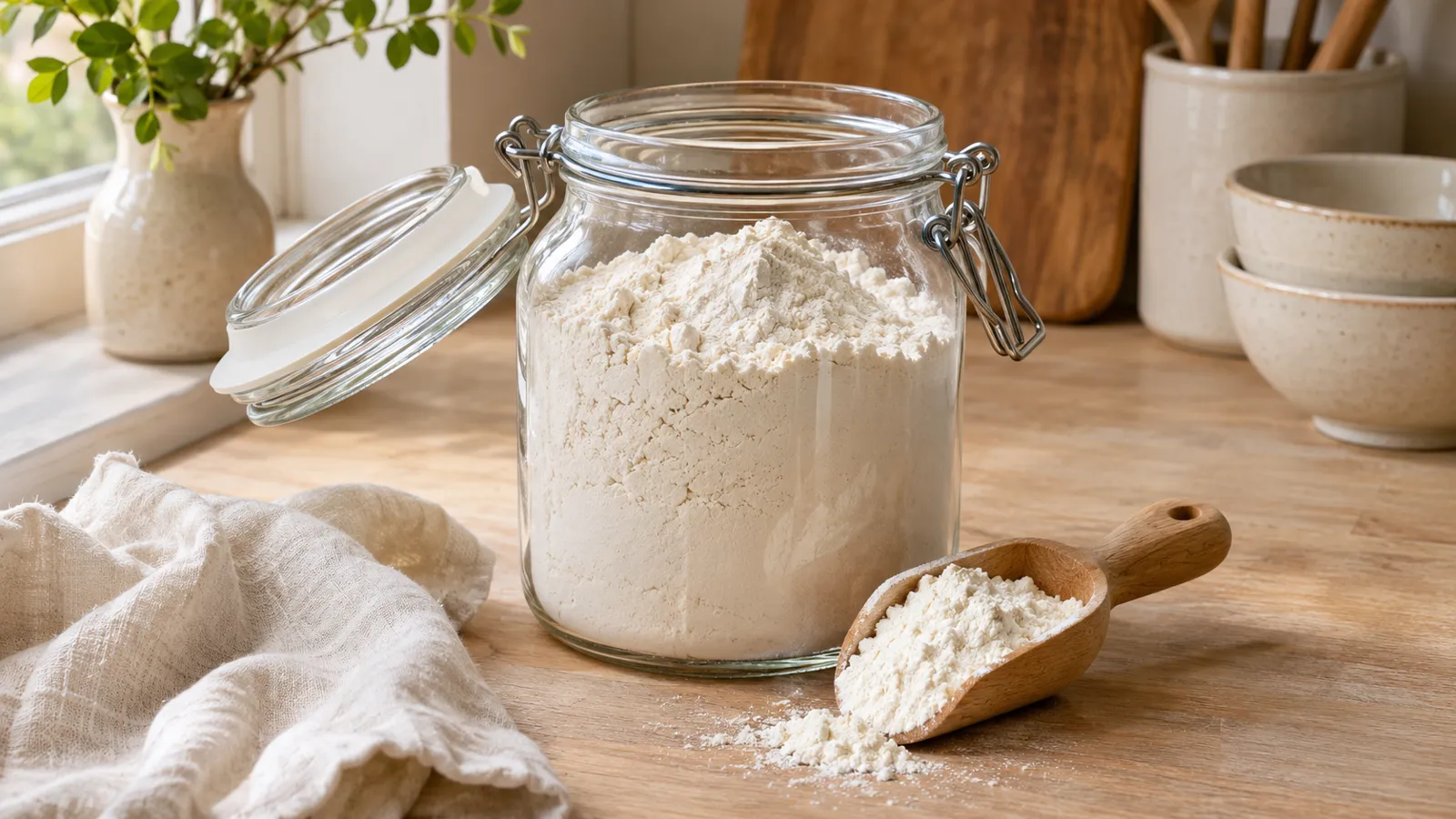
A sealed food-storage container protects an opened bag far better than another fold in torn paper, so I'd make the switch as soon as the bag is open. Keep the flour's identity, package date, and lot information with it. If you pour flour into a plain bin, attach the label or record those details before the packaging goes in the trash, because an unmarked bin of white powder keeps its secrets.
The habit I'd break is topping up old flour indefinitely. Empty and clean the container between batches so an insect problem or stale remainder stays out of the next purchase. Use a dry scoop, and close the lid before you wipe down a wet counter nearby.
Cold storage needs moisture control
Refrigeration or freezing can be useful for longer storage, especially for flour you use slowly, as long as you protect it from moisture and odors. Let a sealed cold container warm up before opening it when condensation would otherwise form. Where the producer gives guidance for that particular flour, I'd follow it over anything general, this page included.
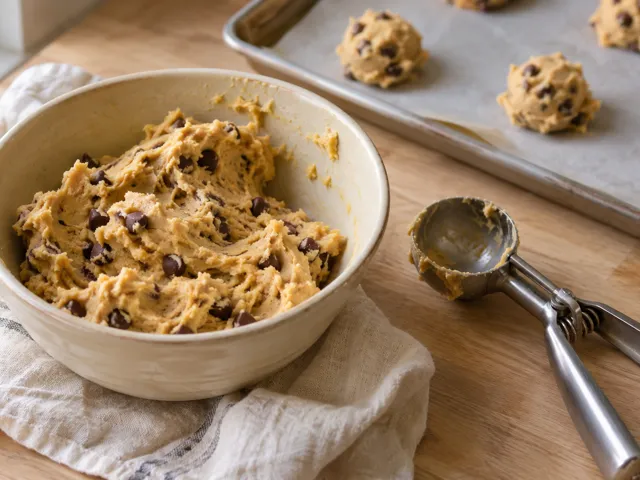
Cold storage doesn't sanitize flour. For uncooked dough questions, see raw cookie dough safety. If your bag is self-rising flour, its baking powder can lose strength during storage, leaving biscuits or muffins with less lift even when the flour smells ordinary. Keep its best-quality date and storage directions; the self-rising flour guide distinguishes flour from a mixture that includes leavening. For a bake that matters, I'd pick a known, well-stored bag over a mystery container rescued from the back of a cupboard.
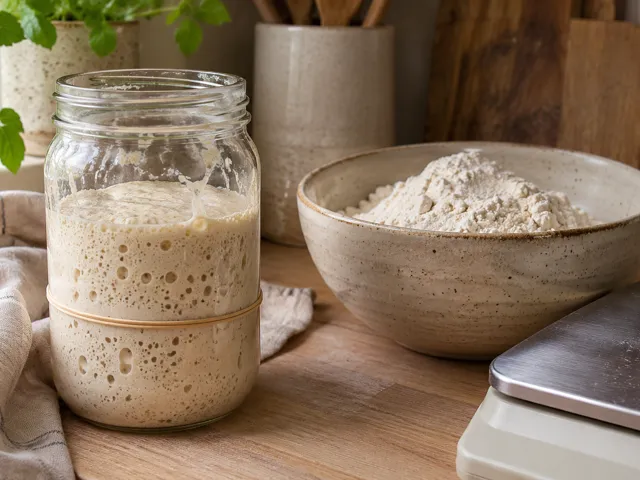
When the flour on hand is for sourdough, the sourdough calculator turns a target loaf or a flour amount into grams, with the starter counted in.
FAQ
Can I use flour after its best-by date?
The date is one piece of information, not the whole decision. Consider the flour type, packaging, storage conditions, and any signs of deterioration. Do not use flour with mold, pests, dampness, or rancid odors. Whatever the date, ordinary raw flour still needs proper cooking before eating.
Why does whole-wheat flour smell different?
Whole-wheat flour naturally differs from refined flour, so compare it with the expected character of that product rather than assuming all flour is odorless. A clearly rancid or musty smell is a reason to discard it. Do not settle uncertainty by tasting the uncooked flour.
Can freezing kill everything unsafe in flour?
No. Freezing is a storage choice, not a validated way to make raw flour safe to eat. The FDA’s advice to avoid eating raw flour, dough, and batter still applies. Use products specifically made for ready-to-eat applications when you need an uncooked preparation.
Can I microwave flour to make edible cookie dough?
Do not treat a home microwave or oven treatment as a reliable way to make raw flour ready to eat. Heating can be uneven, and the FDA advises against trying to heat-treat flour at home. Choose a product intended for that use and follow its instructions.
What should I do after finding pantry insects?
Discard affected flour and inspect nearby dry goods rather than simply moving the bag to another shelf. Clean the cupboard and storage container before restocking. Keep the next purchase sealed and labeled, and avoid mixing a new bag with remnants whose condition you have not checked.