How Long Does Chicken Last in the Fridge?
Raw chicken keeps 1–2 days at 40°F (4°C) or below; cooked chicken keeps 3–4 days. Freeze raw chicken promptly if you cannot cook it within that window.
| Chicken | Refrigerator | Decision |
|---|---|---|
| Raw, whole or pieces | 1–2 days | Cook or freeze promptly |
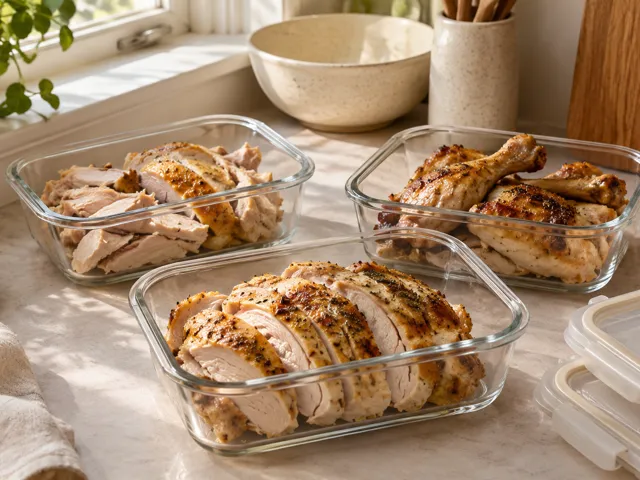
| Cooked | 3–4 days | Chill promptly; date the container |
| Marinating, raw | Within the raw storage window | Marinade does not extend storage |
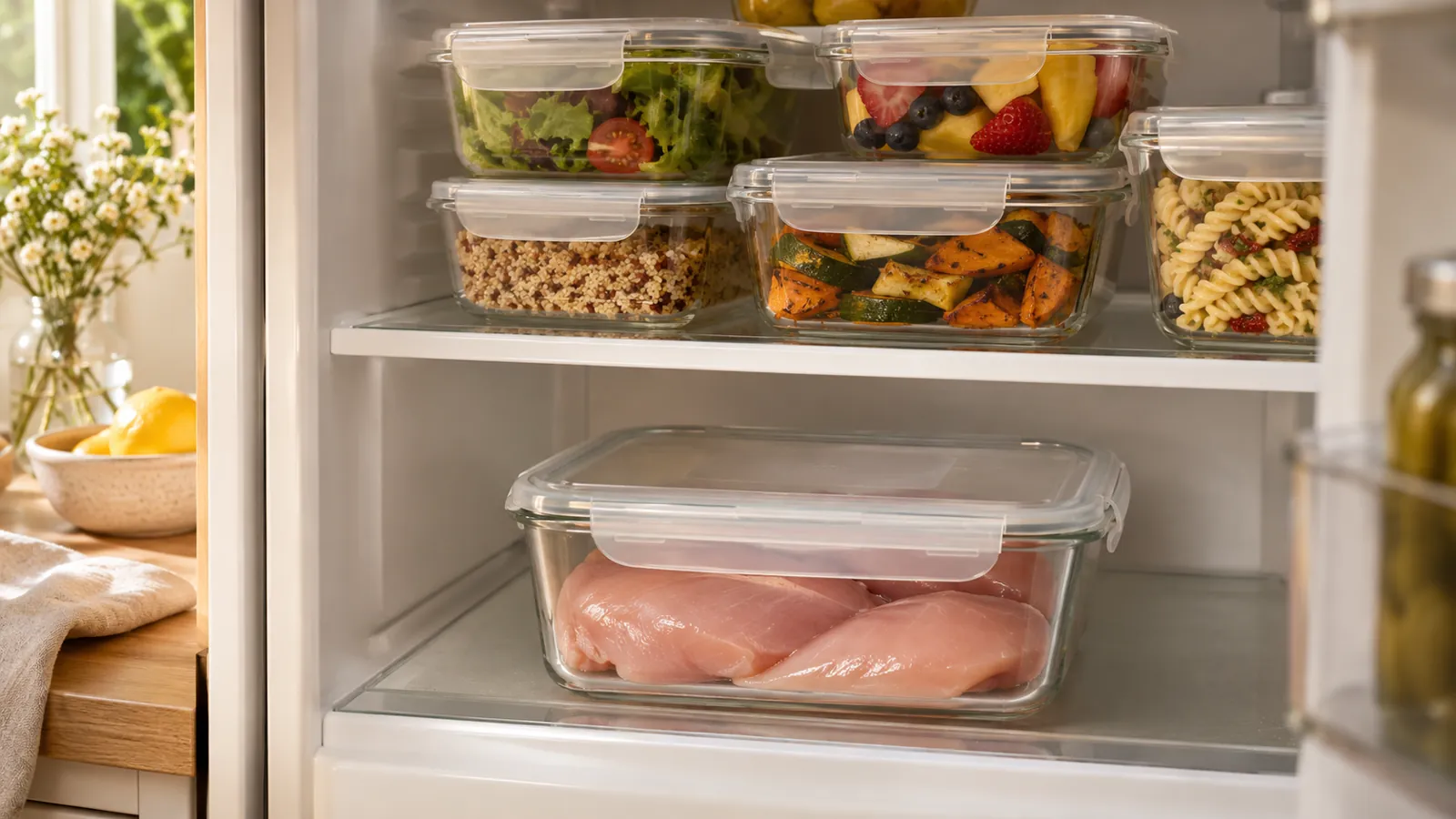
Make the cook-or-freeze decision early
If there is no realistic chicken dinner in the next day or two, my recommendation is to freeze it while its handling history is clear. Waiting until the deadline adds pressure without adding value. The official refrigerator window still applies, and a later package date cannot undo time spent too warm.
Count from the right event
The refrigerator clock begins with the chicken you brought home, not with the moment you opened the wrapping. If you purchased it yesterday and put it into a marinade today, the marinade does not create a new storage allowance. Keep the purchase date with the package until the chicken is cooked or frozen.
A sealed package is not a temperature history
An intact wrapper can contain juices and reduce handling, but it cannot tell you how long the chicken spent warm in a grocery cart or car. Bring refrigerated groceries home promptly. A printed date does not override unsafe handling after purchase.
Keep the chicken in a leakproof container or tray on a low shelf, separate from foods that will be eaten without cooking. Do not place an open salad beneath a package that might drip. The tray should be easy to remove and clean if the wrapper leaks.
Do smell and color settle the question?
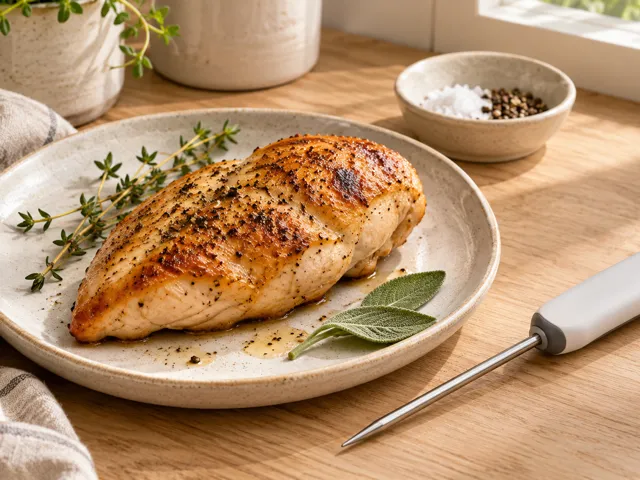
Discard chicken with obvious spoilage signs, including an unpleasant odor or slimy surface. However, normal-looking chicken can still carry harmful bacteria. Neither a reassuring smell nor an attractive pink color extends the storage window.
This is why a side-by-side picture is not a safety test. Lighting changes appearance, and bacteria are not visible in a photograph. Start with the date and temperature history. If you do not know how the chicken was stored, an image cannot supply the missing information.
Portion a family pack before freezing
Think about the portions you will actually cook. Freezing six breasts together may force you to thaw more than a two-person meal needs. Package useful amounts separately, remove excess air using suitable freezer packaging, and label them clearly.
Thaw in the refrigerator with a tray underneath. If using cold water or a microwave, follow the relevant safe-thawing method and cook immediately afterward. Do not leave the package on the countertop while deciding what to make. Freezing pauses growth under proper conditions; it does not repair chicken already mishandled.
Keep the preparation area simple
Do not rinse raw chicken to make it safer. Washing can spread contamination around the sink and nearby surfaces. Cooking to the appropriate internal temperature is the relevant control; the separate cooking guide explains where to measure.
Use different utensils or thoroughly clean them between raw chicken and ready-to-eat food. Arrange the workflow so the cooked chicken returns to a clean plate, not the plate that held it raw. These small setup decisions are easier to follow than trying to remember every contact after the meal.
A Monday purchase and a Thursday dinner
Suppose raw chicken arrives home cold on Monday and you intend to cook it on Thursday. I would not plan to bridge that gap using the refrigerator alone: the ordinary raw-chicken window is one to two days. Freeze it promptly and allow time for safe refrigerator thawing before the meal.
If you instead cook the safely stored chicken on Tuesday, label the leftovers with Tuesday's cooking date. That creates a cooked-food storage decision; moving raw chicken into a new container would not. The cooked-chicken guide explains the next window. If the original chicken was already outside safe handling limits, cooking is not a way to make this example apply retroactively.
FAQ
Can marinated chicken stay longer?
No. Marinating does not restart the refrigerator clock or reliably make raw chicken safe for longer storage. Count the time before it entered the marinade as well. If plans change while the chicken is still safely stored, freeze it instead of adding extra refrigerator days.
Can I keep unopened chicken for a week?
Do not assume an unopened wrapper allows a week under ordinary fresh-chicken guidance. Specific product instructions can matter, but an intact seal is not a record of temperature or handling. For normal raw chicken, plan around 1–2 refrigerated days and freeze portions you will not use.
Does cooking remove the need to refrigerate it?
No. Cooked chicken still needs prompt refrigeration and appropriate storage. Prepare shallow containers before cooking a large batch so cooling does not become an afterthought. A cooked surface or hot pan does not establish that food will remain at a safe holding temperature through the evening.
Should I rinse chicken before freezing?
No. Rinsing is not a safety treatment and can spread raw poultry contamination. Package the chicken appropriately without adding an unnecessary washing step. Clean hands, utensils, and surfaces after handling it, and keep the package separate from ready-to-eat food while preparing portions.
Can I use the same time for cooked chicken?
No. Raw and cooked chicken have different refrigerated windows. Mark cooked portions with the cooking date rather than leaving them in an unmarked container. The cooked-chicken guide explains cooling, portioning, and reheating; those steps matter as well as the number of days.