How Long to Boil Eggs: Start With the Method
For USDA’s covered, heat-off hard-cooking method, let eggs stand after the water boils: 12 minutes for medium, 15 for large, or 18 for extra-large eggs. These are not continuous-boiling times. Cook until both white and yolk are firm.
| Egg size | Covered stand after turning off heat | Method |
|---|---|---|
| Medium | 12 minutes | Cover, bring just to a boil, turn off |
| Large | 15 minutes | Cover, bring just to a boil, turn off |
| Extra-large | 18 minutes | Cover, bring just to a boil, turn off |
| Soft or jammy preference | Different method and endpoint | Not equivalent to firm-yolk safety advice |
Keep one complete hard-cooking method
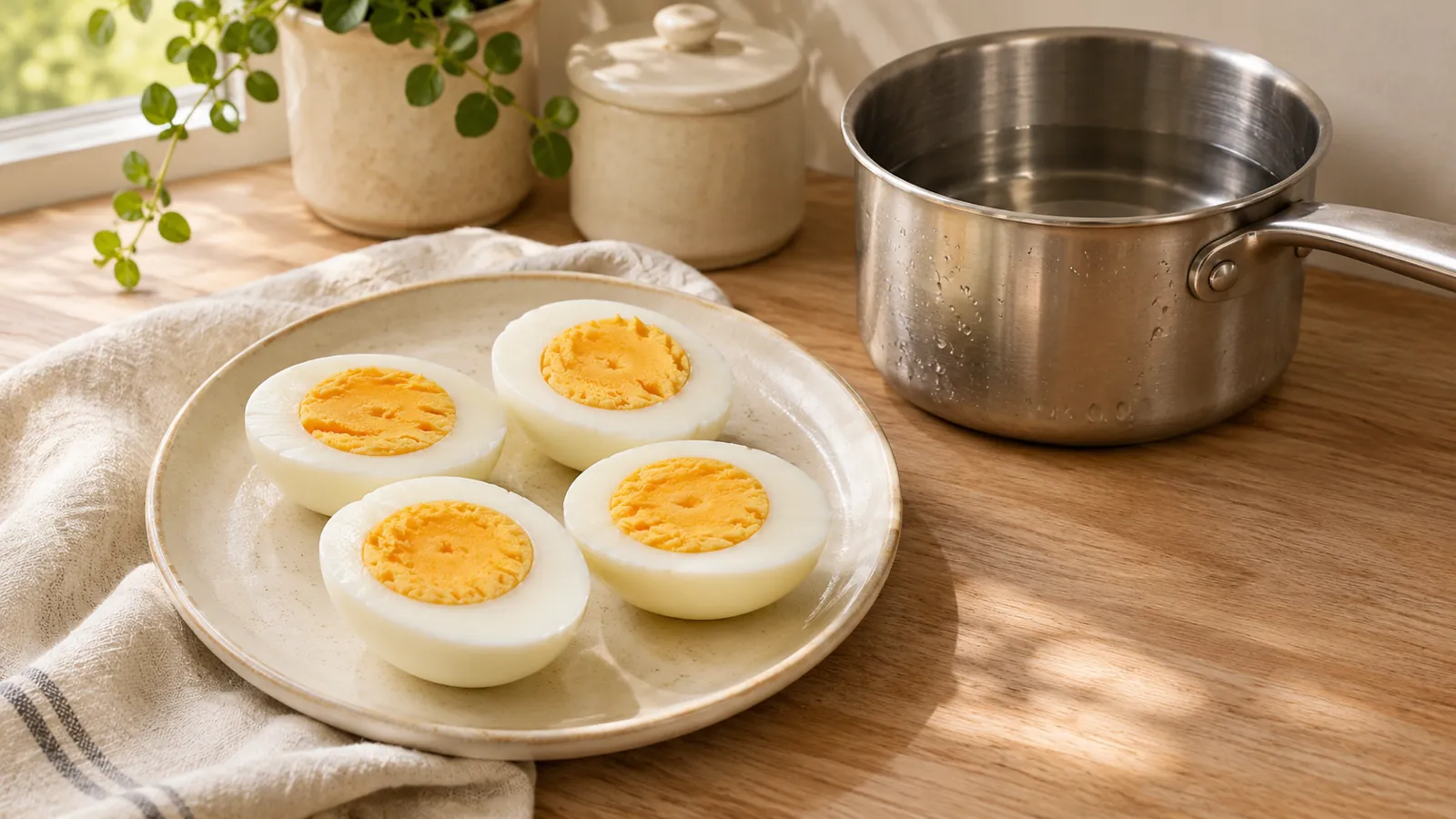
Egg advice goes wrong in one specific way: somebody's number gets separated from somebody's method. For lunchbox eggs or a batch to refrigerate, I'd commit to one complete hard-cooking method and finish with a cooking-date label. Don't combine the shorter time from a boiling-water recipe with the covered, heat-off instructions here. The timing only makes sense alongside the heat conditions that produced it.
Choose the method before choosing the minutes
Egg instructions can begin with cold water, boiling water, steaming, or a pressure cooker, and a number from one of them can't be carried to another without changing what it means. The timer's starting point is part of the instruction, which is the detail I'd underline in any recipe.
The table here follows the USDA heat-off approach, and I like it for a batch because you set it up once and the burner is off for the waiting part. It doesn't tell you to keep eggs at a rolling boil for fifteen minutes. If you'd rather use another recipe, that's fine, as long as its starting water condition, heat level, and timing instructions travel together.
Set up a manageable batch
Arrange the eggs in a single layer in a saucepan. Add cold water to at least one inch above the eggs, cover the pan, and bring the water just to a boil. Turn off the heat and leave the pan covered for 12 minutes for medium eggs, 15 for large, or 18 for extra-large. Cool immediately after the standing time.
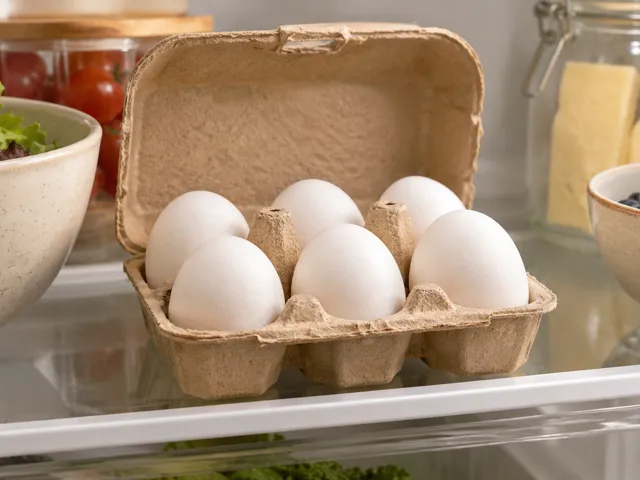
Check the carton for size and ignore the shell color. Medium, large, and extra-large refer to size categories; brown and white shells don't indicate different cooking instructions, so I'd spend no energy on that debate. Keep the batch reasonably consistent so one timing choice is useful.
Why a seven-minute alarm is not a shortcut to this table
A seven-minute setting in the interactive timer is a texture estimate for a boiling-water start. The fifteen-minute figure here is a covered standing time for large eggs after turning off the heat. Those are two different experiments, and the numbers answer two different questions.
My advice is to decide which method you're following before heating the pan, then keep its start point, heat instructions, and endpoint together. For the firm-yolk consumer recommendation, verify that both yolk and white are firm, and treat neither alarm as direct evidence. I'd also prepare the cooling water before the standing period ends, so the next step never turns into an unplanned extra period in hot water.
Cool promptly and handle gently
After cooking, cool the eggs promptly with cold water or an ice-water bath. Use a utensil or drain carefully to avoid hot-water burns. Cooling helps stop continued cooking and gets the eggs ready for handling, so this is one step I'd refuse to skip even when lunch is running late.
If an egg is difficult to peel, work gently and resist tearing away large pieces of white. A stubborn shell is annoying, but peeling convenience is a quality issue, and it's no proof of whether the egg was cooked safely. I'd keep the storage decision entirely separate from how neatly the shell comes off.
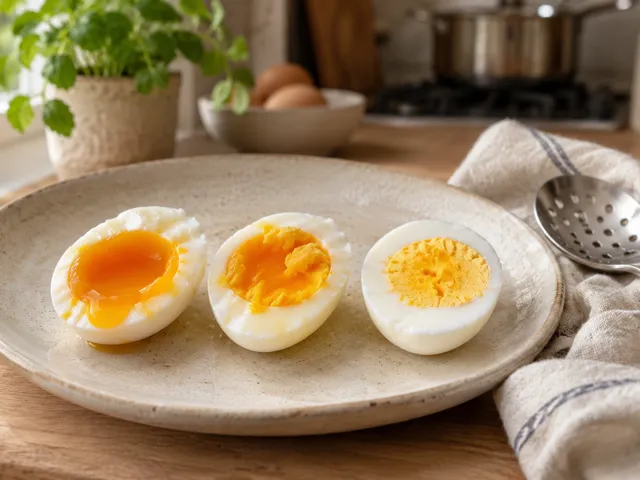
Soft and jammy eggs are a different endpoint
Our interactive timer offers texture-oriented starting estimates for a boiling-water method. Those estimates aren't the USDA heat-off table and shouldn't be combined with it. Egg temperature, size, equipment, and altitude can change the outcome, so I'd treat any jammy-egg number as a place to begin.
FDA consumer guidance calls for firm whites and yolks. A soft center doesn't meet that endpoint simply because a timer finished. I'll be plain about it: a jammy yolk can be exactly what you want and still fall short of that guidance. For dishes involving undercooked eggs, follow FDA guidance on pasteurized eggs and the needs of people at higher risk.
Label cooked eggs before refrigerating
Hard-cooked eggs have a different storage window from raw shell eggs. FDA guidance says to use them within one week and refrigerate within two hours of cooking. Mark the cooking date, so the original carton date never becomes the only information available. A strip of tape on the container is all it takes.
Prepare only the batch you expect to use. If you're taking eggs to a picnic or packing lunch, plan how to keep them cold, because cooking and cooling are only the first stages and later handling still matters. I'd sort out the ice pack before the eggs go in the pan.
FAQ
Does 15 minutes mean boiling for 15 minutes?
Not in the method on this page. For large eggs, the USDA instruction is a covered standing period after the water reaches a boil and the heat is turned off. Continuous boiling is a different method and should use its own complete directions.
Why does the interactive timer show different times?
The tool uses texture-oriented estimates for eggs lowered into boiling water. This guide’s table uses the USDA covered heat-off method. Different starting conditions make the numbers different; do not combine the timer from one approach with the steps of the other.
Are runny yolks covered by the same safety advice?
No. FDA consumer guidance calls for firm whites and yolks. A runny-yolk preference is a different endpoint. Use the agency’s guidance on pasteurized eggs for undercooked preparations, particularly when serving someone at increased risk of foodborne illness.
How long can I refrigerate hard-cooked eggs?
FDA guidance gives one week for hard-cooked eggs when handled and refrigerated properly. Label the cooking date and keep them cold. The longer storage range for raw shell eggs does not carry over unchanged after cooking.
Does shell color change the cooking time?
Shell color is not the useful variable for choosing the time. Egg size, starting temperature, cooking method, and equipment matter more. Check the carton’s size category and follow one complete method rather than assigning different times to brown and white eggs.