How Long to Bake a Potato at 400°F
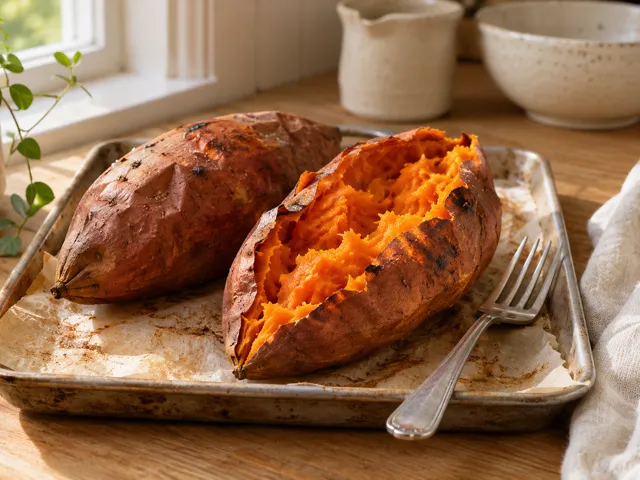
For a russet potato, plan on about 1 hour at 400°F (204°C), then check the center for tenderness. The Idaho Potato Commission uses about 210°F (99°C) internally as a doneness reference. Size and oven conditions can change the time.
| Variable | Practical starting point | What to verify |
|---|---|---|
| Russet in a conventional oven | 400°F / 204°C, about 1 hour | Center is tender |
| Internal doneness reference | About 210°F / 99°C | Culinary texture reference, not a meat safety rule |
| Larger potato or crowded oven | May take longer | Check each potato |
| Foil wrapping | Changes skin and steaming | Not the same crisp-skin method |
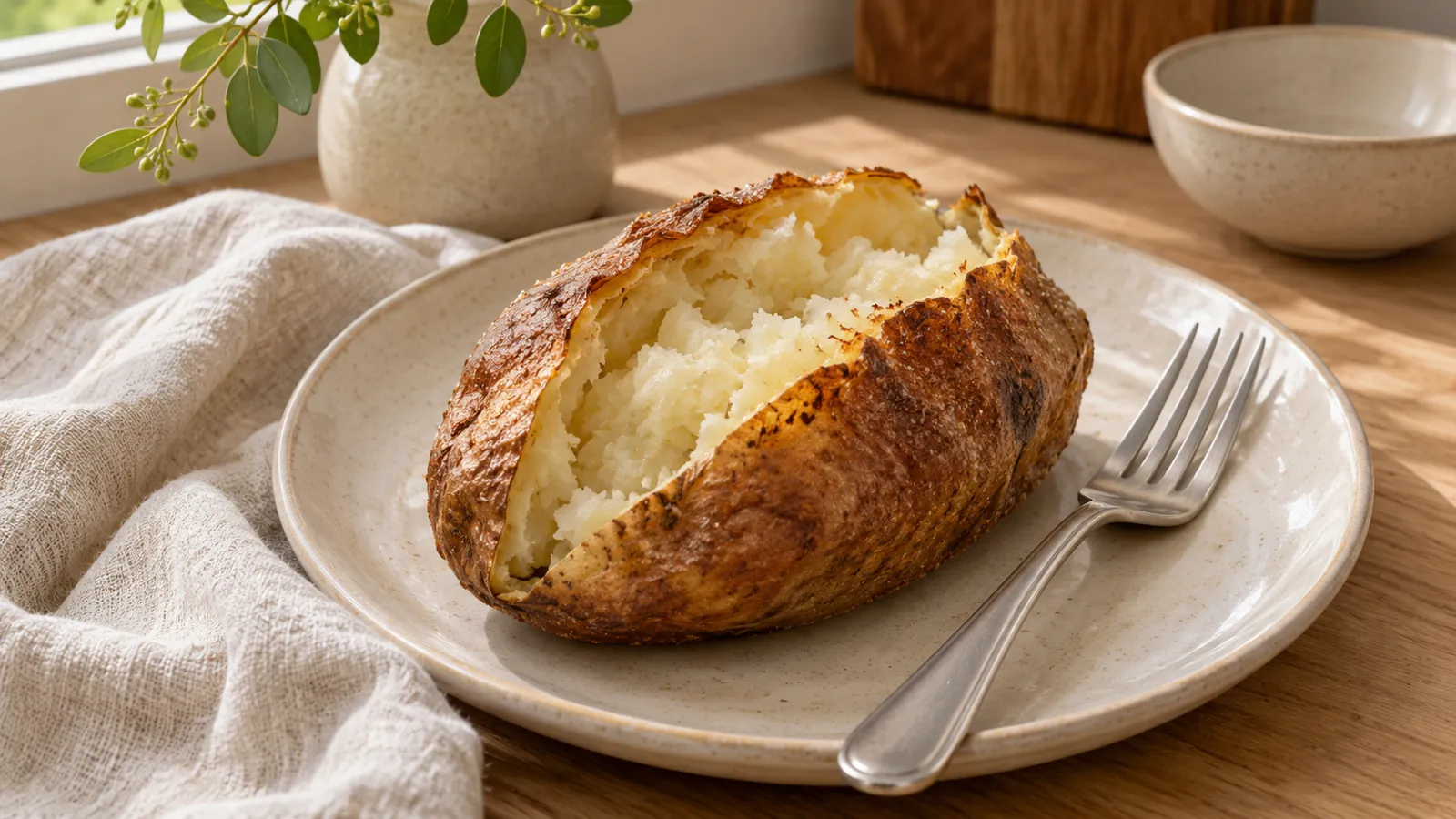
Choose the method for the skin you want
Decide what you want from the skin, because everything else follows from it. For a fluffy russet with a drier skin, I'd bake it unwrapped, since foil shifts the result toward steaming. Keep the potatoes similar in size too, which makes a shared finishing time more realistic, although each center still needs checking. The time in the table is a cue to go look, and I wouldn't ask more of it than that.
Pick potatoes that will finish together
The easiest baked potato dinner gets decided in the produce aisle. A tray of similarly sized russets is far easier to manage than one tiny potato beside a very large one, because size affects the distance heat must travel to the center. Counting the potatoes doesn't tell you how long the largest one needs.
If the sizes vary, plan to check and remove them individually, and avoid promising anyone that every potato on the tray will be ready at the same minute. A realistic dinner plan leaves a little room for the largest potato to finish, so I'd build in that slack before telling people when to sit down.
Prepare the skin and preheat the oven
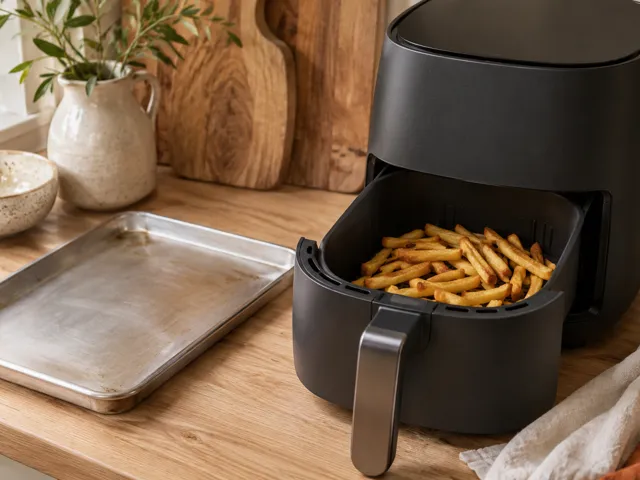
Scrub the potatoes under running water, dry them, and pierce the skin with a fork. Start with a preheated oven so the timing reference has a clear beginning. Wait out the preheat even if you're in a hurry: putting potatoes into a cold oven adds a variable the one-hour estimate doesn't describe, and then the estimate stops being much use. If you'd rather use an air fryer, the oven to air fryer converter gives a starting estimate to check.
Arrange them with space around them rather than stacking them, and follow a complete recipe for any oil or salt on the skin. All that oven time is a good window for getting toppings ready, as long as the perishable ones stay refrigerated until needed.
Check the center instead of the clock alone
A skewer or fork should enter the center without a hard, resistant core, and the thickest part is the only place I'd bother testing. The Idaho Potato Commission also gives about 210°F internally as a useful doneness reference for its russet method, which is handy if a thermometer is already out on the counter.
Just be clear about what that number is. It describes the desired cooked texture, and it's a different kind of rule from a minimum temperature for raw poultry. If the center is still firm, continue baking and check again. A timer going off doesn't soften an undercooked center, however confidently it beeps.
Foil changes the result
Wrapping traps moisture and changes how the skin cooks. The commission recommends baking without foil for its method because foil encourages steaming, and I side with the commission: a drier, crisper skin is the reason I'd bother with the oven in the first place. If that's what you want too, think twice before wrapping every potato.
Foil isn't wrong, it's just a different potato. What I'd avoid is mixing the two sets of expectations, because a foil-wrapped method can't be held to an unwrapped method's texture promises. Choose the result you want and follow the corresponding recipe. A photograph of crisp skin is no evidence that a wrapped potato will produce the same finish, no matter how nice the photo.
One potato is ready and the larger one is still firm
Picture the first check: a skewer slides through the smaller potato and meets a hard center in the larger one. I'd leave the larger potato cooking, and I wouldn't declare the batch finished just because the hour has passed. Check the thickest part of each potato, since testing only near the skin flatters it.
Next time, comparable sizes will save you more trouble than trying to invent a precise number of extra minutes for every additional ounce. If you're coordinating a quick-cooking main dish, wait until the potatoes are close before starting its final stage, because the potato is the one setting the schedule. Keep finished food under appropriate serving or storage conditions; wrapping a cooked potato and leaving it on the counter is no substitute for a safe holding plan.
Serve, cool, and store with a plan
Open the cooked potato carefully because trapped steam is hot. Add cold toppings just before serving, so topped potatoes aren't sitting out while the rest of dinner comes together, and make only as many finished servings as you need immediately.
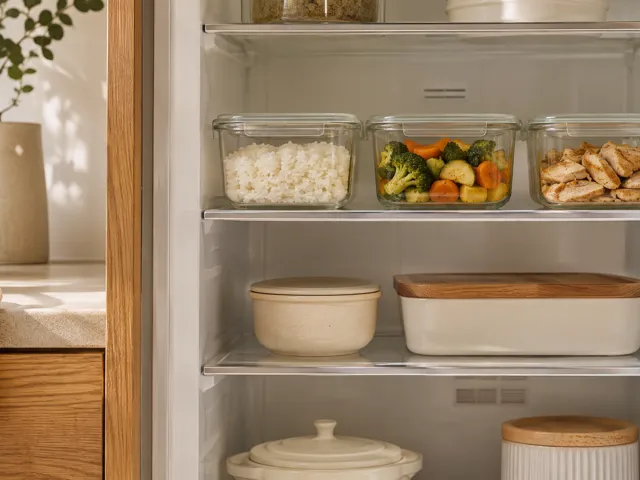
Refrigerate leftovers promptly. Remove foil before cooling and storage if it was used, and avoid leaving wrapped baked potatoes at room temperature. It may have started life as a sturdy vegetable in a bin, but a cooked potato isn't a shelf-stable food.
FAQ
Is every potato done after one hour at 400°F?
No. That is a useful starting estimate for a russet, not a guarantee for every size and oven. Check the center for tenderness and continue cooking if it remains firm. Larger potatoes and crowded ovens can need more time.
Should I wrap potatoes in foil?
For the unwrapped russet method described here, no foil is needed. Foil traps moisture and changes the skin toward a steamed result. Choose a method based on the texture you want, and remove foil before cooling leftovers.
Is 210°F a food-safety minimum?
Here it is a culinary doneness reference from the Idaho Potato Commission for a tender baked russet. It should not be confused with meat safety temperatures. Assess tenderness and follow safe handling after cooking as separate decisions.
Can I use the same timing in an air fryer?
Do not assume the same minutes apply. Appliance size, airflow, and the potato’s size change the result. Use an air-fryer potato recipe and check tenderness. A generic oven conversion is only a starting estimate, not proof of doneness.
Can I leave foil-wrapped potatoes on the counter?
Do not use that as a storage method. Refrigerate cooked leftovers promptly and remove the foil for cooling and storage. Keep the serving period limited rather than leaving warm wrapped potatoes out for an extended time.